How Colleges Market Your Course (and What You Can Do to Help)
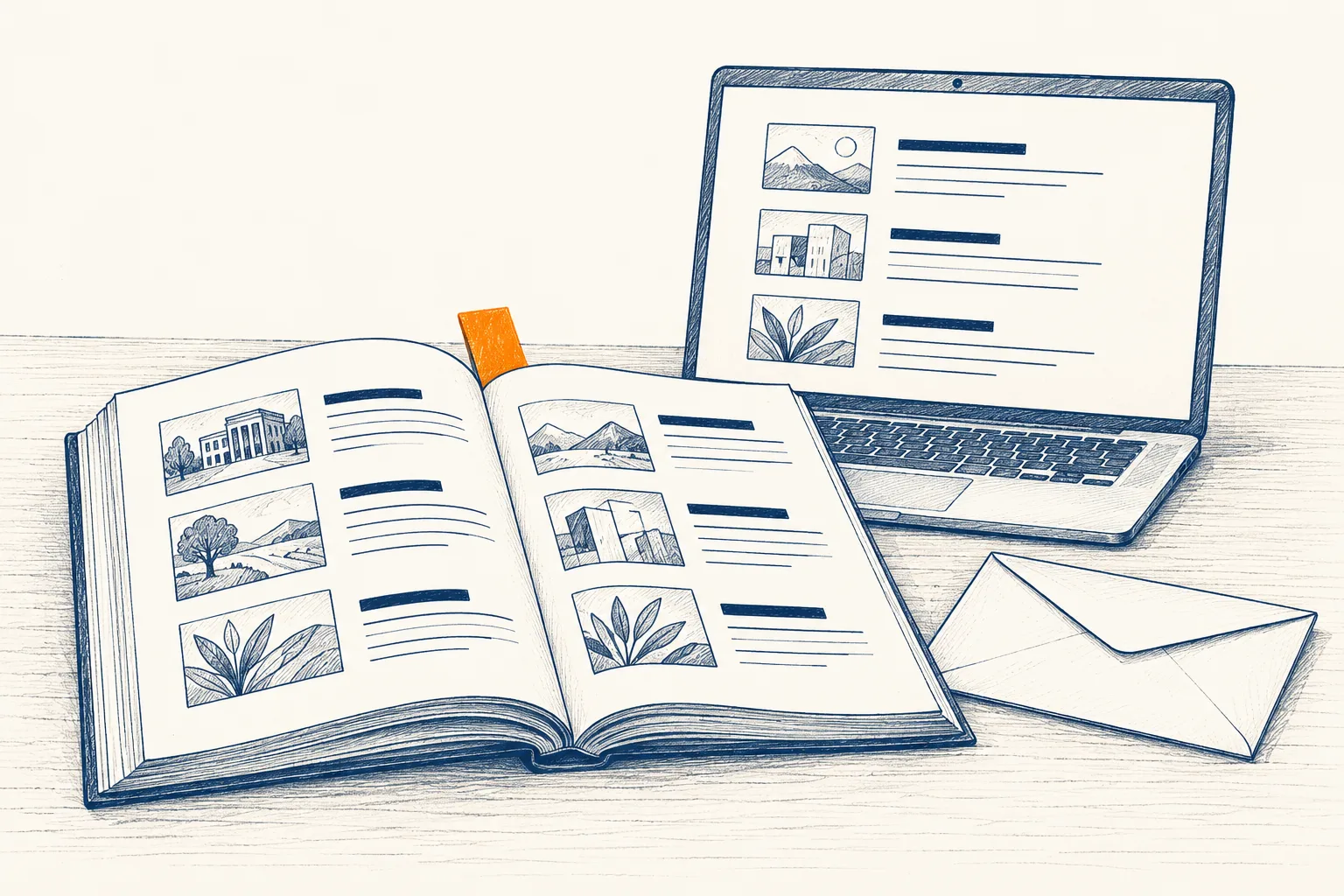
Learn how catalogs, course pages and email can support course discovery. Prepare clear materials and agree on a promotion plan with the college.
Read the articleGUIDES FOR EXPERTS
Short, plain reads on turning what you know into a college-ready program. New articles are added as the library grows.
Learn how catalogs, course pages and email can support course discovery. Prepare clear materials and agree on a promotion plan with the college.
Read the article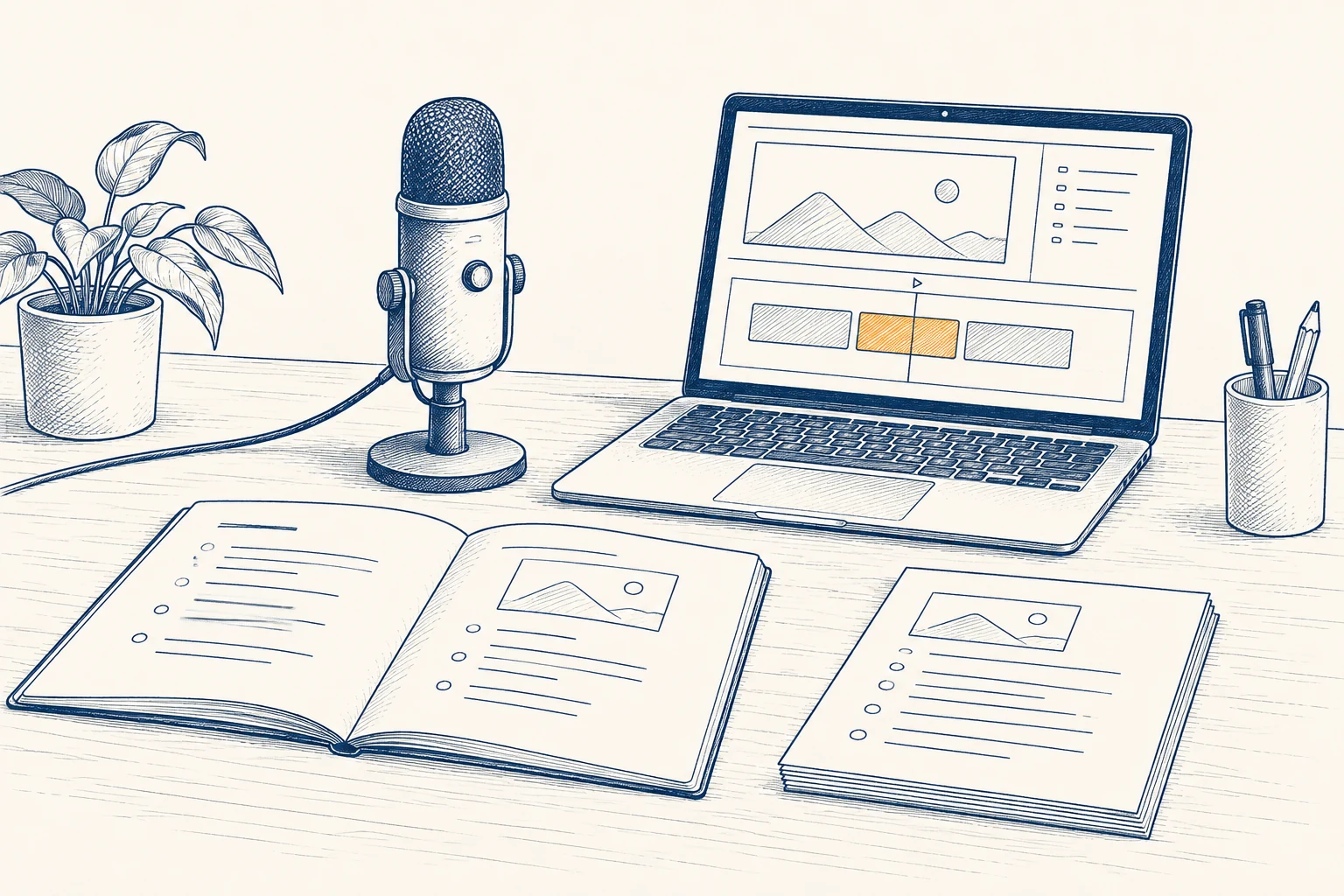
Turn an agreed course plan into lessons, practice and assessments. See what to prepare, what to review and how SkillShiftEd helps with the production work.
Read the article
Put your finished course into a clear review package. Check the submission route, test access and know what to expect between sending and a college decision.
Read the article
Colleges promote courses through catalogs, email and other channels. SkillShiftEd helps you build a course, seek placement and plan for the work that follows.
Read the article
SkillShiftEd develops your course and seeks college placement. Explore how a reviewed course and a visible teaching role can support your expert reputation.
Read the article
SkillShiftEd develops your course and handles the work to seek college approval. Explore funding routes for eligible learners as part of that process.
Read the article
Find the right department, read its proposal form and prepare the material it requests. Separate a teaching proposal from a development partnership.
Read the article
SkillShiftEd helps programs count toward CEUs and, in some cases, credit through micro-credentials. The exact offering’s designation and policy still matter.
Read the article
Make course help easy to find. Explain where learners can ask a lesson question, report an access problem or get help with registration.
Read the article
Explain who a course is for, what learners will practice and how it is delivered. Keep each description claim tied to the actual course.
Read the article
Separate the skills learners bring from the skills your course teaches, then make the remaining background assumptions clear.
Read the article
Review learner fit, sample activities, delivery responsibilities, accessibility evidence, and your institution’s approval route.
Read the article
Understand the four broad phases, your part in the work, and the questions to clarify before developing a program together.
Read the article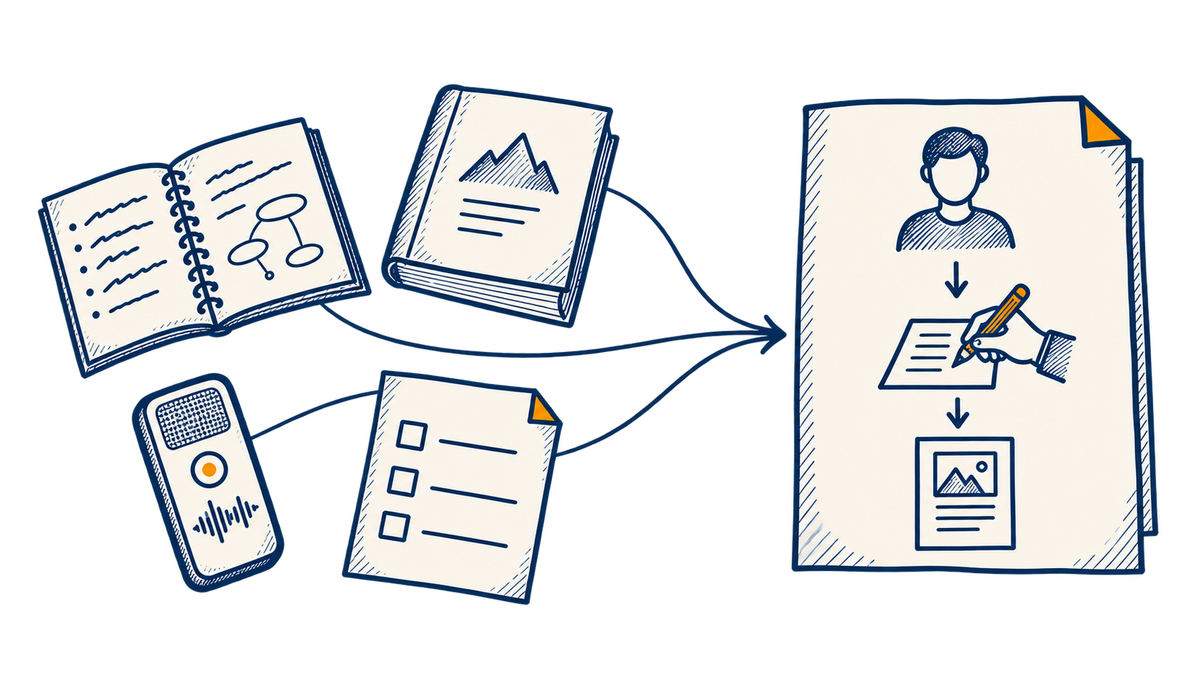
No. Learn what experts can start with, what makes a program reviewable, and how rough material becomes a college-ready continuing-education program.
Read the article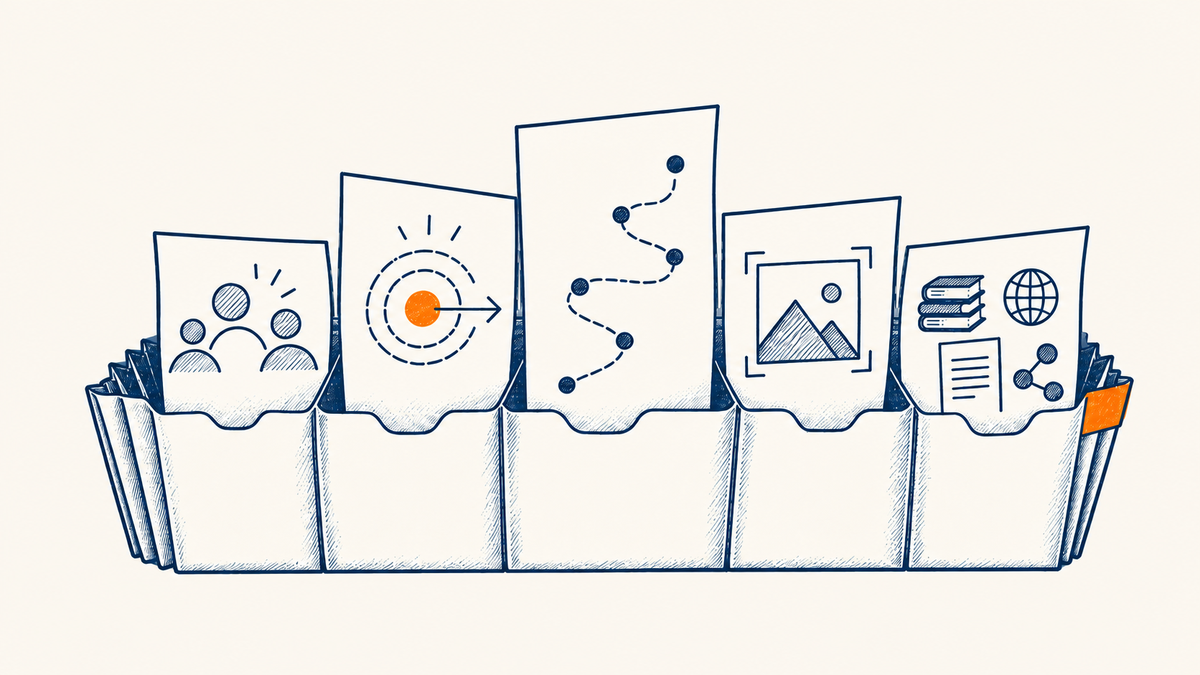
See what a reviewable course package can include, how college requirements differ, and how to connect an outcome, a practice task, and a check.
Read the article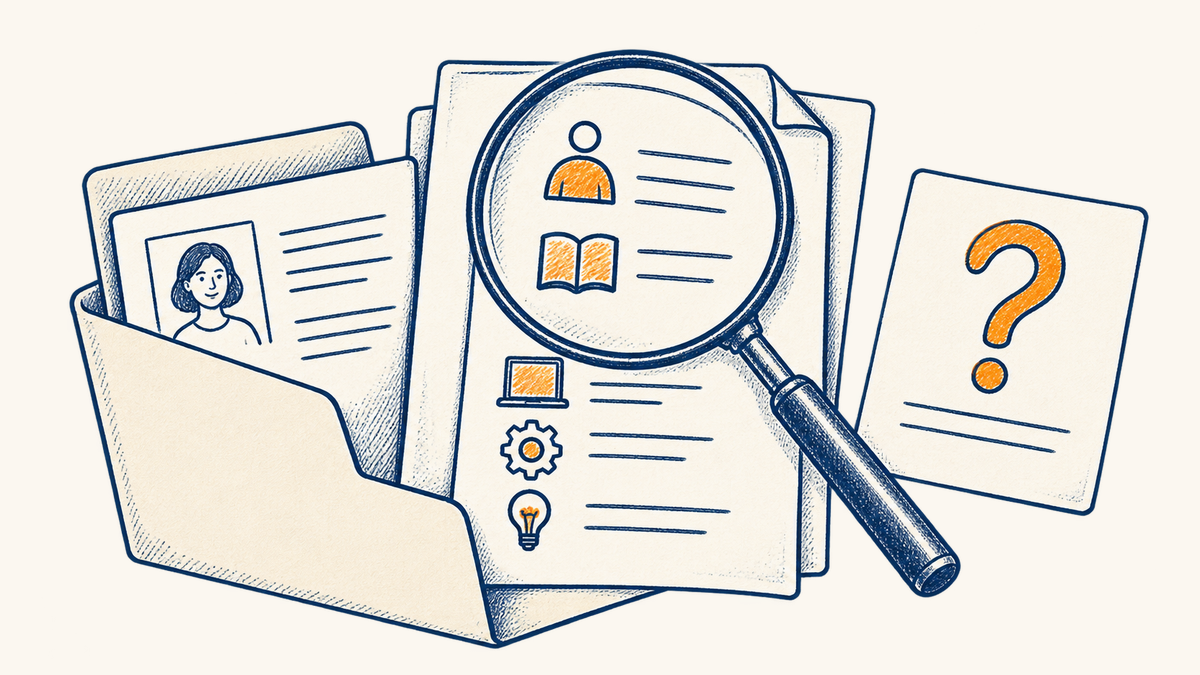
Understand the difference between an initial fit discussion, course development, and a college’s review—and prepare useful questions about the work ahead.
Read the article
Separate course ownership, permission to reuse material, and access to editable files. Prepare the questions to resolve before a development agreement.
Read the article