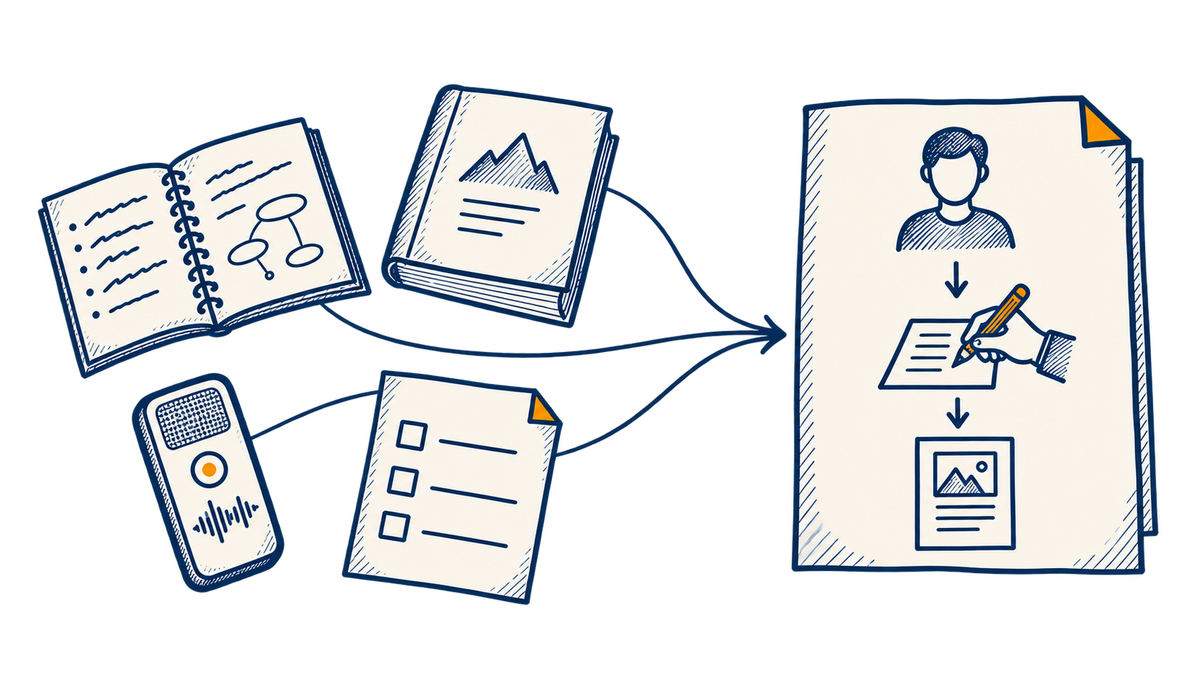
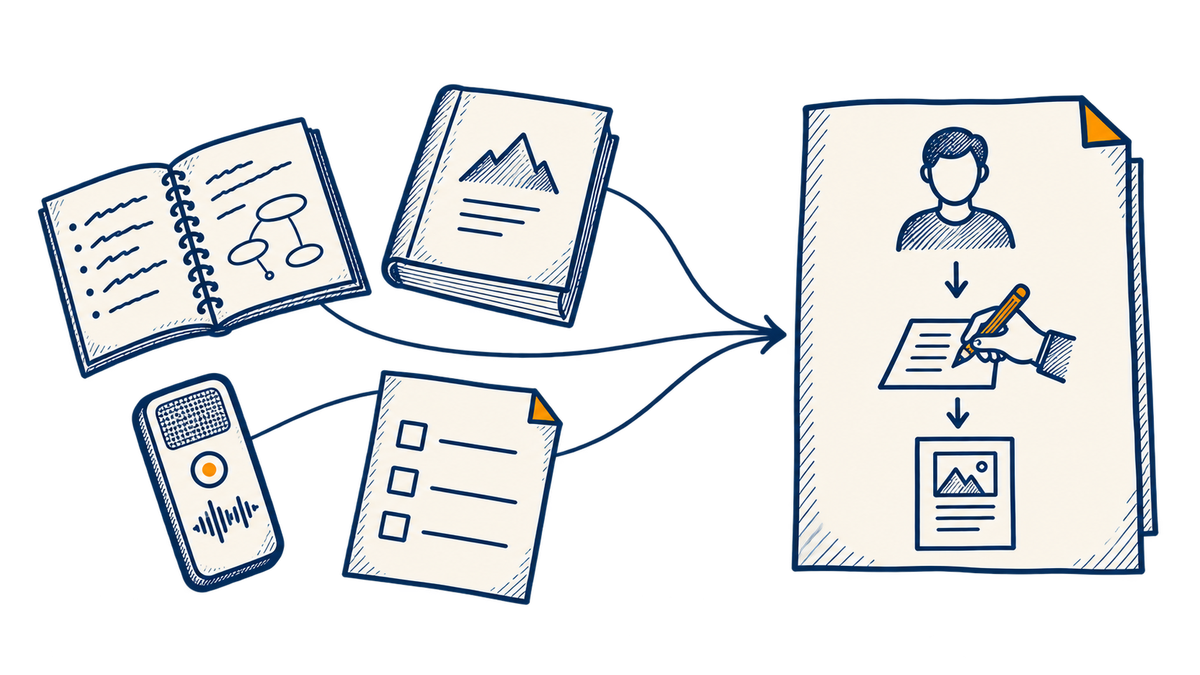
You may already have a workshop, a book, client training, recorded lessons, notes, or years of experience that have never been organized into a course. That can be enough to begin a serious program review.
What matters is not whether your material already looks polished. What matters is whether your knowledge can become a structured learning experience with clear outcomes, lessons, practice, and assessment.
01
What does “college-ready” mean?
A college-ready continuing-education program is organized and documented so a college can review it under its own standards. It is not a promise of approval or placement. Each institution decides what it will approve and include in its catalog.
For an expert, this usually means turning practical knowledge into a package that answers four questions:
- Who is the learner?The program should be built for a specific person with a specific need.
- What will the learner be able to do?Clear learning outcomes make the value reviewable.
- How will the learner get there?Lessons, activities, practice, and assessment should form a coherent path.
- Why is this expert qualified to teach it?Relevant experience and credible source material should be easy to verify.
College continuing-education teams often review course content, instructor qualifications, learning outcomes, and market fit. Cabrillo College Extension, for example, tells prospective instructors that it considers content, instructor qualifications, and marketability. Central Oregon Community College asks course proposers to identify student learning outcomes. Central Washington University asks for a completed proposal and an instructor resume or CV before review.
None of those requirements says the expert must arrive with a fully produced online course. They do show why a promising idea needs structure before it is ready for institutional review.
02

What can you start with instead?
A strong starting point can be any material that reveals what you know and how you teach it:
- A workshop deck or facilitator guide
- A book, manuscript, newsletter, or article series
- Recorded lessons, webinars, or client trainings
- Consulting frameworks, checklists, templates, or standard operating procedures
- Rough lesson notes or a working outline
- A clear course idea backed by deep professional experience
These materials do not have to be complete. They need to give a development team enough substance to identify the teachable skill, the likely learner, and the result the program should help that learner achieve.
What if all you have is an idea?
An idea can be a valid starting point when it is specific and grounded in real experience.
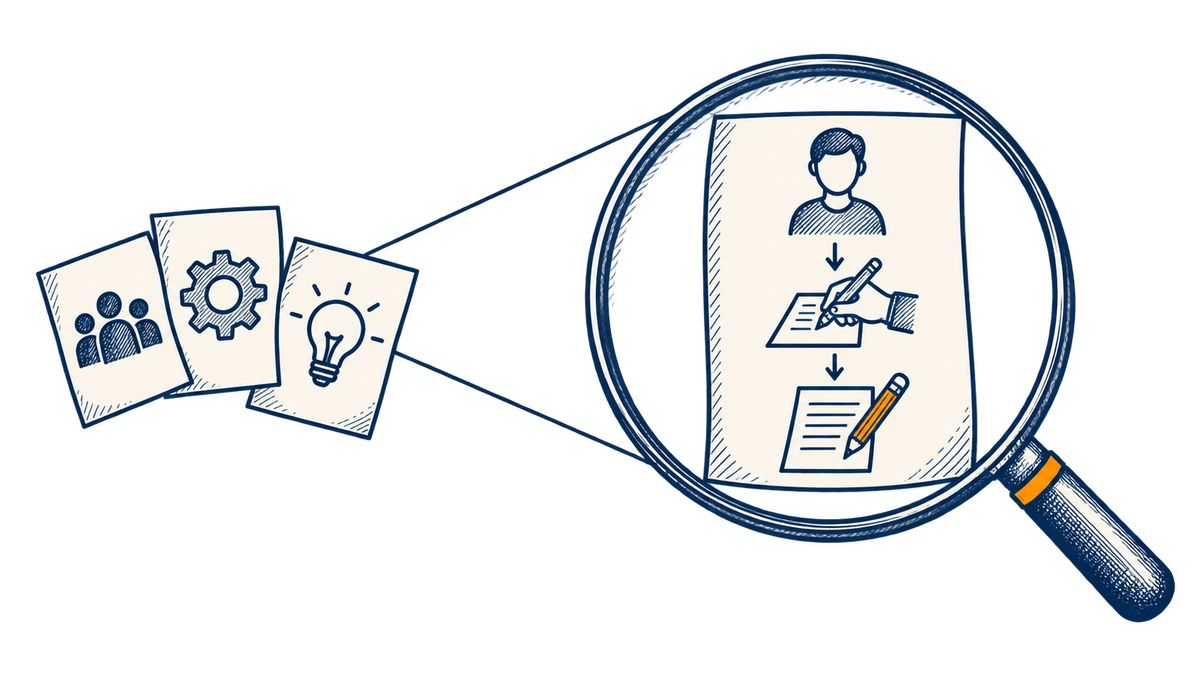

Leadership
Artificial intelligence
How new frontline managers run useful one-on-ones
How construction estimators use AI to organize scope notes without exposing confidential bid data
Before you invest in full production, test the idea with five questions:
- Who needs this skill?
- What problem are they trying to solve?
- What should they be able to do by the end?
- What experience gives you authority to teach it?
- What evidence, examples, or tools could support the lessons?
If you can answer those questions with specifics, you have more than a topic. You have the beginning of a course concept.
03
What work still has to happen?
Starting without a finished course does not mean skipping development. It means doing the work in the right order.
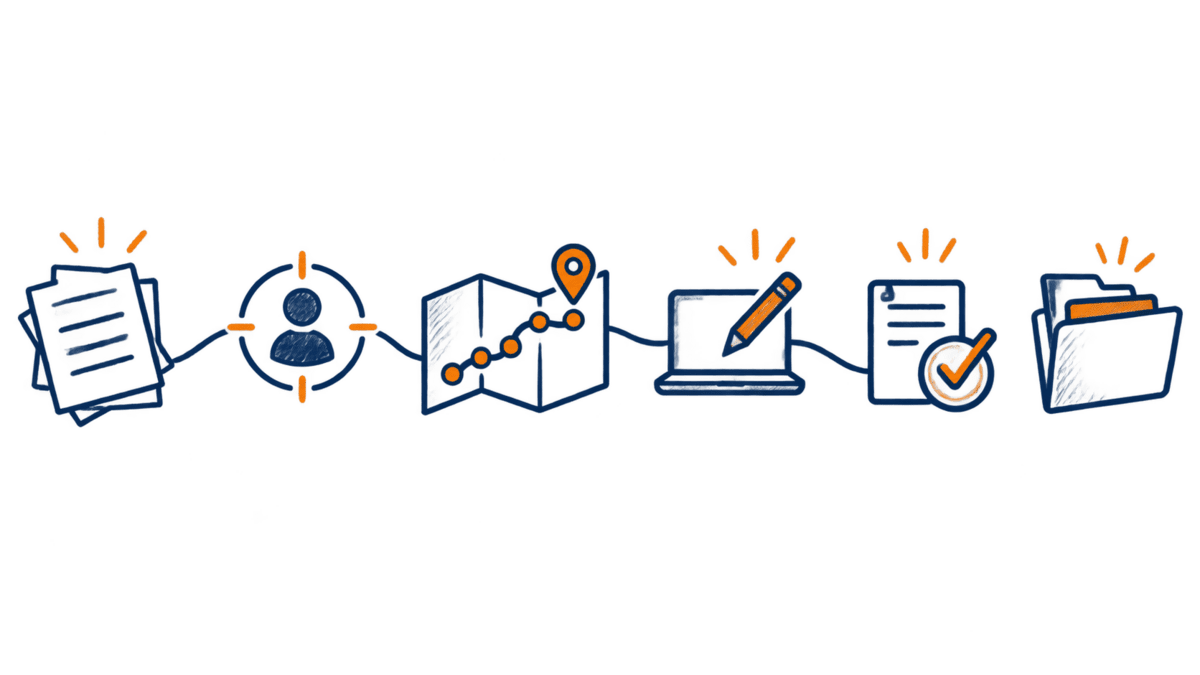
Define the audience and outcome
The program needs a clear learner and a practical result. This keeps the course from becoming a collection of everything the expert knows.
Map the learning path
The material is organized into outcomes, lessons, activities, and assessments. Gaps become visible before production begins.
Build the learner experience
Drafts become consistent teaching materials, exercises, templates, assessments, facilitator notes, or digital assets.
Check claims and rights
Sources, instructor background, program benefits, and rights to use included material should be reviewable.
Package the program for review
The syllabus, outcomes, instructor information, learner materials, descriptions, and production files are organized for college review.
What does the expert do, and what can a team help with?
The expert remains the source of subject-matter knowledge. A development team can help shape that knowledge into a consistent program.
At SkillShiftEd, the expert brings the topic, experience, source material, examples, and judgment. The team helps with instructional design, program organization, production, branding, project management, and preparation for college-partner review.
That division of labor keeps the expert focused on what only they can provide while specialists handle the work around it. See how the full process works.
When should you wait before applying?
You may need more preparation if the topic is too broad to name the learner or outcome; your expertise depends on material you cannot use; claims cannot yet be supported; you are not ready to join the development work; or you want guaranteed placement, enrollment, or income.
04
A simple readiness checklist
You do not need a finished course. You should be able to bring at least the beginnings of these:
If that describes you, the next step is not to disappear for six months and build everything alone. It is to find out whether the idea is a fit before full production begins.
05

Questions experts ask
Do I need a large audience or email list?+
No large audience is required to start a SkillShiftEd program review. The review focuses on the topic, your experience, and whether the idea can become a structured program. That is different from guaranteeing college approval, catalog placement, enrollment, or commercial results.
Do I need teaching credentials?+
Requirements vary by subject and institution. Relevant professional experience, the strength of the proposed course, and the instructor’s qualifications all matter. Some programs or colleges may require additional credentials.
Can I use material from my book or consulting work?+
Potentially, if you control the rights and the material can be adapted into a learner-centered program. Client-confidential, licensed, or third-party material may require permission or replacement.
What should I prepare for a first review?+
Bring a clear topic, a short professional bio, and a working outline. Notes, workshop files, recordings, manuscripts, and examples can help the team understand what already exists.
Does a review guarantee that a college will accept the program?+
No. SkillShiftEd can help shape and coordinate a program for review. Each college controls its own approval and catalog decisions.
START WITH WHAT YOU KNOW
A working draft is enough to begin.
Answer 11 focused questions, then share a short bio and working course outline. No obligation.
Start a program review