EXPERT GUIDE · COURSE MATERIAL
Who Owns the Course Material, and What Can I Do With It Afterward?
Your notes, a finished lesson, a licensed photograph, and an editable file can raise different questions. Get clear about each asset and the ways you want to use it before agreeing to develop a course.
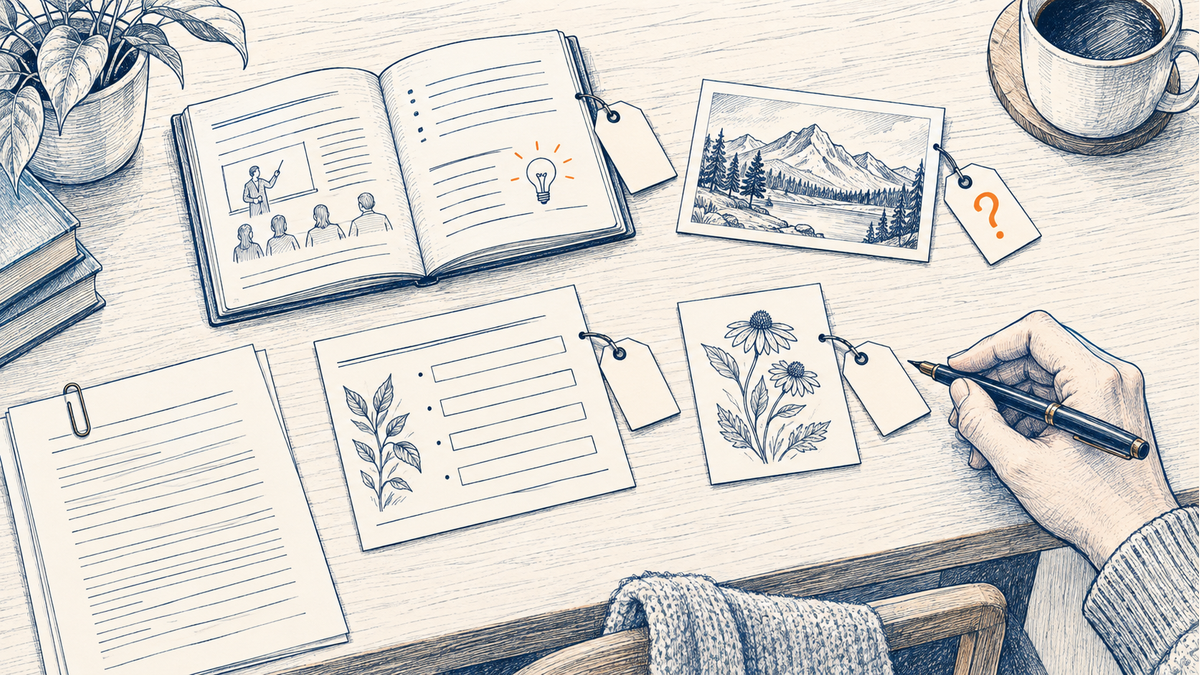
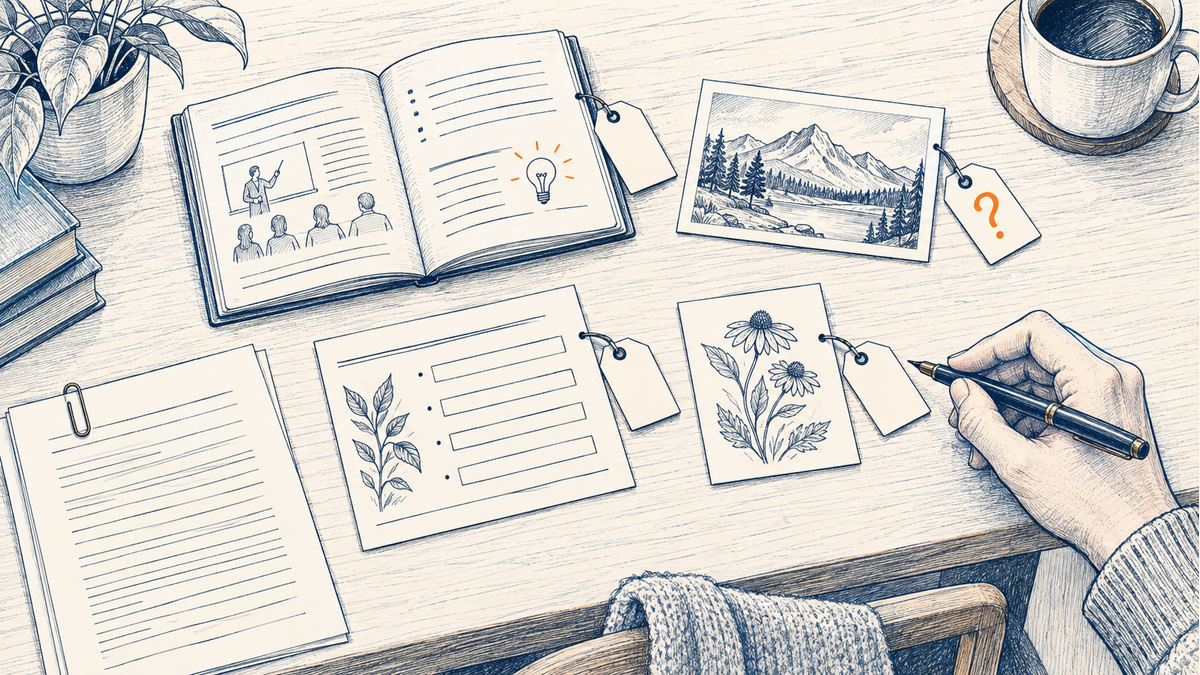
Begin with three questions: who owns the rights, what uses are permitted, and which files will you receive?
SkillShiftEd’s public terms answer part of the question at the submission stage. Ownership and reuse of a developed course require the relevant agreement. Treat a general statement about submitting material as the beginning of that discussion.
01
Start with the material you submit
Under section 4 of SkillShiftEd’s website terms, you retain ownership of your Submission. You also grant a limited, non-exclusive license for evaluation-related uses, including sharing with the specified personnel, advisers, service providers, and potential educational or distribution partners.
That license covers assessing, discussing, or pursuing a possible relationship. Broader development, adaptation, publishing, and distribution rights must be addressed in a separate signed agreement. It does not tell you who will own every new lesson, assessment, recording, or illustration made later.
Section 5 says public submissions and introductory calls are not confidential unless a signed nondisclosure agreement covers them. Start with a non-sensitive summary and ask for the appropriate review route before sharing proprietary source files.
02
Ask three separate questions
In U.S. copyright law, ownership generally starts with the author, with qualifications such as work made for hire. Particular rights can be transferred separately. Title 17, sections 201 and 202, also distinguish copyright from ownership of the object that carries the work.
- Who owns the rights?Identify the relevant creator, rights holder, and agreement for the particular material.
- Who may use it, and how?Clarify permission to copy, adapt, teach, publish, distribute, or share it in the settings you have in mind.
- Which files will I receive?Ask about editable lessons, media masters, captions, exports, and the software needed to use them.

A file in your inbox is not, by itself, an answer about copyright. Equally, asking about editable-file delivery is a practical agreement question, not a promise that a particular file package is included.
Which finished assets you own, which uses you and others may make of them, and which files you receive remain agreement-specific. The public submission terms do not establish these answers.
03
Look at the course one asset at a time
We recommend listing the material that already exists alongside what will be created. Include original notes, book excerpts, slides, recordings, assessments, illustrations, and course packaging. Record the version, the creator or claimed rights holder, the relevant agreement, and the use you propose.
Keep the underlying material visible when something is adapted. U.S. law distinguishes ideas and methods from protected expression, and new copyright in an adaptation does not expand rights in the pre-existing work.
FICTIONAL PLANNING EXAMPLE
A trainer wants to reuse a course lesson in a later workshop. The lesson includes four different assets. These questions do not assume who owns them or what is allowed.
- Earlier workshop outlineWhat rights does the trainer hold, and do any existing agreements restrict this use?
- Licensed photographDoes the actual license cover the later workshop and its materials?
- New assessmentWho created it, and what does the development agreement say about ownership and reuse?
- AI-assisted illustrationWhat human contribution, tool terms, input permissions, and agreement provisions need checking?
An invented teaching example, not a SkillShiftEd customer, contract, or outcome.
Do not decide ownership solely from who paid for the work or who holds a copy. The Copyright Office’s work-made-for-hire guidance describes specific conditions. A commissioned instructional text is not automatically a work made for hire simply because it fits that category.
04
Make future use specific
“Can I use it afterward?” becomes easier to answer when you name the asset, the action, and the setting. We recommend bringing an intended-use list to the agreement discussion:
- Teach againKeep running the original workshop or teach part of the developed lesson to a different audience.
- Publish another versionRevise, translate, or offer a standalone course through another channel.
- Reuse an excerptPut a clip, image, or activity into a book, presentation, or marketing piece.
- Move or continue deliveryProvide files to another institution or maintain learner access after the agreement ends.
These are questions to resolve, not permissions this guide grants. Check any limits on audience, channel, territory, language, duration, exclusivity, changes, and further sharing. Section 106 identifies distinct copyright rights; the agreement and applicable law determine which uses are available in your situation.
Ask about ongoing learner access, removal from distribution channels, retained copies, updates, and future reuse. SkillShiftEd’s public pages do not supply a standard course-exit or migration procedure.
05
Check outside material and AI-assisted work
For an outside image, excerpt, recording, or exercise, identify the exact material and its rights holder. The Copyright Office’s permission guidance recommends checking copyright status and describing the intended use and audience when permission is needed. A larger work may contain separately owned material.
Attribution and an educational purpose do not settle the question by themselves. Check the permission or other lawful basis for the actual use; statutory exceptions can apply, but their application depends on the circumstances.
As preparation advice, record what is covered, where it may be used, any required credit, and whether changes or later editions need another check. A source link is useful evidence; it is not a substitute for the applicable permission.
AI-assisted material needs separate attention. In its Part 2 report on copyrightability, the U.S. Copyright Office distinguishes qualifying human contributions from purely AI-generated material and assesses human authorship case by case. Its conclusions do not decide the status of every individual illustration or lesson.
Ask about the tool’s terms, permission to use inputs, human contributions, confidential material, and the project agreement. A statement about output copyrightability does not answer all of those questions.
06
Put the decisions in writing
Bring two short lists to the discussion: what material is involved and what you want to do with it. Then record the decisions that need to be clear in the agreement.
- Separate existing and new work.Name original material, new deliverables, reusable templates, and later versions.
- Specify the rights and the people covered.Clarify what the expert, SkillShiftEd, institutions, and service providers may do, for how long, and with whose approval.
- Define delivery and changes.List files and formats, access needs, responsibility for corrections, and approval of updates.
- Address the end of the relationship.Set out continuing uses, learner access, retained copies, and return or removal obligations.
These are preparation questions. Resolve project-specific interpretations with the agreement owner or a qualified adviser, and check the applicable jurisdiction. This guide explains U.S. background; it does not determine anyone’s individual contract rights.
For example: which version of a lesson, in which workshop, for which audience, and under which permission? Keep any unanswered part visible before committing.
07
Questions experts ask
Do the submission terms decide who owns the finished course?
No. SkillShiftEd’s website terms say you retain ownership of your Submission and grant a limited, non-exclusive license for evaluation-related uses. Broader development, adaptation, publishing, and distribution rights need a separate signed agreement. The submission terms do not settle ownership of every asset created later.
Does receiving an editable file establish my rights to the material?
No. Ownership, permission to use material, and file access are separate questions. Which finished assets you own, which uses are permitted, and which files you receive depend on the relevant agreement. A file in your inbox does not by itself answer the copyright question.
What should I clarify before reusing course material elsewhere?
Name the asset, action, and setting: for example, a lesson used in a later workshop. Check the relevant permission or agreement, including limits on audience, channel, territory, language, duration, exclusivity, changes, and further sharing. The guide’s examples are questions to resolve, not permissions it grants.
Is crediting an outside image or excerpt enough?
Attribution and an educational purpose do not settle the question by themselves. Identify the exact material and rights holder, then check permission or another lawful basis for the actual use. Whether a statutory exception applies depends on the circumstances.
What should I check for AI-assisted course material?
Ask about the tool’s terms, permission to use inputs, human contributions, confidential material, and the project agreement. A statement about output copyrightability does not answer all those questions. The article provides U.S. background; it does not determine individual contract rights.
BRING YOUR MATERIAL AND QUESTIONS
Start with a clear conversation.
Share a non-sensitive summary of your expertise and ask which ownership, reuse, and file-delivery questions need to be resolved for a possible project.
Request an introductory conversation