
EXPERT GUIDE · COURSE DESCRIPTIONS
What Should a Course Description Tell a Prospective Learner?
Give a prospective learner a clear account of the course: who it serves, what they will work on and what taking part involves.
For experts preparing a learner-facing course description
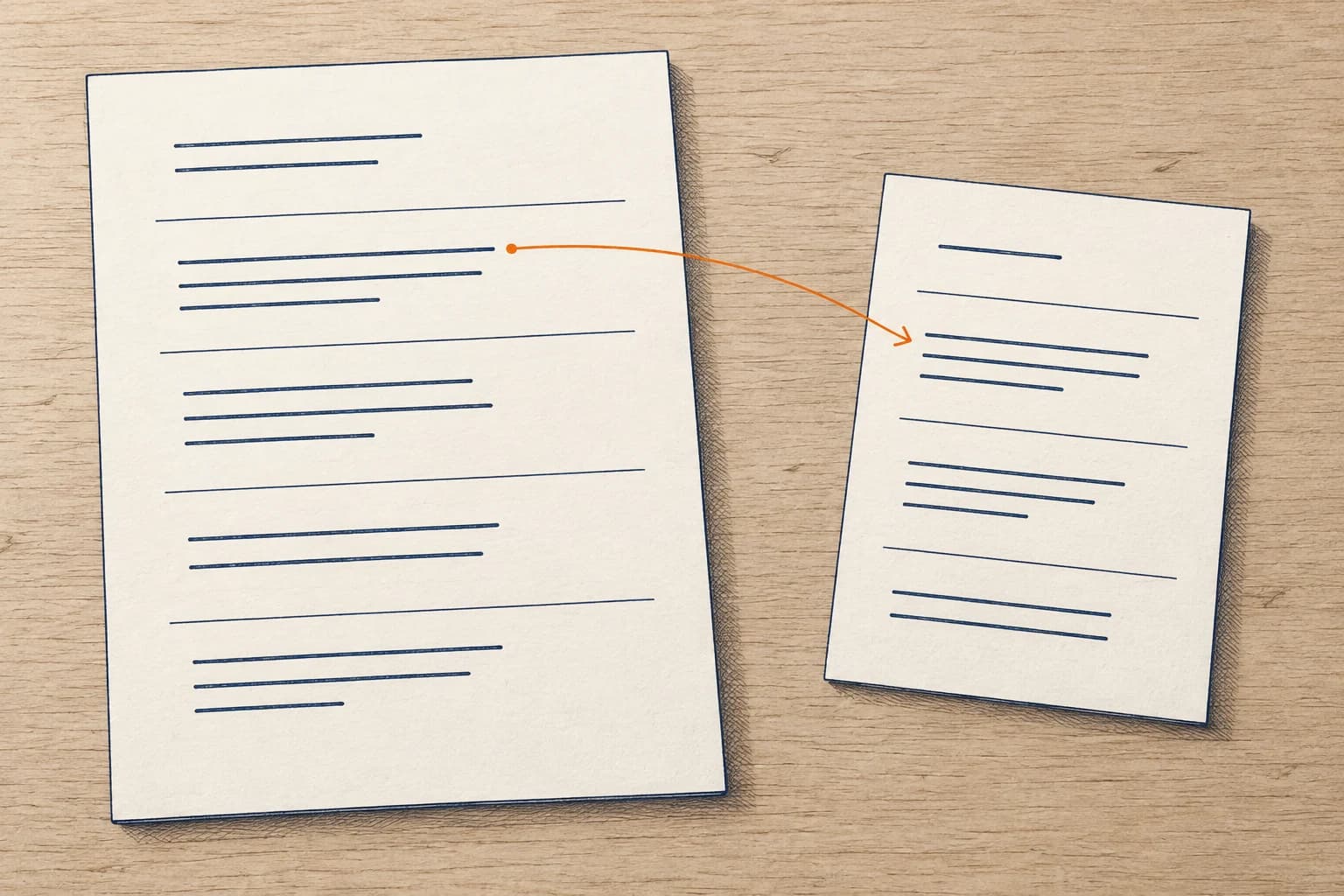
A title names the subject. A course description needs to go further. Someone reading it should be able to understand the learning the course addresses, the kind of work they will do and the practical shape of the offering.
Begin with the course facts you can support. Then write a short account in language a prospective learner can understand. The method and fictional example below are editorial suggestions for preparing that account; they are not a required institutional template.

01 · MORE THAN A SUBJECT LABEL
Explain what taking the course involves.
“Project communication” names a field. It does not tell a reader whether the course covers presentations, meeting notes or handing work to a colleague. Name the particular action the course addresses, then give the reader a way to picture it.
Carnegie Mellon’s Eberly Center recommends describing intended learning, its relevance, course experiences and format. This is teaching guidance, not a universal catalog rule. It supports giving readers a concrete account rather than relying on a list of topic headings.
- LearningWhat knowledge or skill does the course intend to develop?
- ExperienceWhat is one representative task or activity?
- ParticipationHow will learners encounter the material and do the work?
Answer those questions from the material you actually have. If a topic appears only in a possible future lesson, keep it out of the current description until the scope is settled.

02 · MAKE THE FIT UNDERSTANDABLE
State the intended learner and starting point.
Use the audience decision already made for the course. A role and a situation can be more informative than “for everyone.” Do not broaden the audience in the description simply because more people might recognize the subject.
Imagine a self-paced online course called Write Clear Project Handover Notes. It is intended for team members passing routine project work to a colleague. Learners read a supplied project brief and use a worksheet to identify the context, next action, owner and deadline. Every course detail here is invented for the example; this is not an available SkillShiftEd offering.
The example assumes learners can read the short project brief. It does not establish a degree requirement, credential or formal admissions rule. In a real course, describe confirmed starting expectations and ask the responsible team about anything unresolved.
- Intended readerTeam members preparing to hand routine project work to a colleague.
- Starting expectationRead the short project brief supplied in the lesson.
- Scope limitThe example concerns a project handover note, not every form of workplace communication.

03 · SHOW THE KIND OF WORK
Make the learning visible through an activity.
A representative activity helps explain what the stated learning means. For our fictional course, “practice writing a project handover note” identifies the work. “Become a confident communicator” adds a broad personal benefit that the supplied activity does not establish.

Explain the activity at the level the learner needs to understand it. You can name the material they use and the work they produce without squeezing the entire lesson plan into the description.
- Material suppliedA short fictional project brief and a handover worksheet.
- Work performedDraft a note that identifies context, next action, owner and deadline.
- Limit of the statementThis describes intended practice; it does not claim a measured workplace result.

04 · KEEP PRACTICAL FACTS SEPARATE
Describe the actual delivery arrangements.
The fictional example specifies self-paced online material. That tells us something about its format. It tells us nothing about access duration, required software, instructor availability or an award at completion. Those details need their own confirmed answers.
Central Oregon Community College’s proposal form asks separately for a course description, learning outcomes, intended audience and preferred delivery method. It is one institutional example of collecting distinct facts, not a format every college requires or evidence that a proposal is approved.
- Format
- State the delivery mode that has actually been agreed.
- Practical requirements
- Confirm any required materials, equipment or software before naming them.
- Schedule and access
- Check the current arrangement and the appropriate place to publish those details.
- Unresolved information
- Keep an internal question for the responsible owner. Do not fill the gap with an attractive assumption.
Some practical information may belong in separate catalog or registration fields. Follow the actual publisher’s format and check that the description agrees with those fields. A short description does not need to carry the entire enrollment record.

05 · CHECK WHAT THE WORDS PROMISE
Trace each claim back to the course.
We recommend comparing the description with the current course materials. For each statement, identify the lesson, activity or confirmed arrangement that supports it. This is an editorial review method, not a claim that wording has been tested for enrollment results.
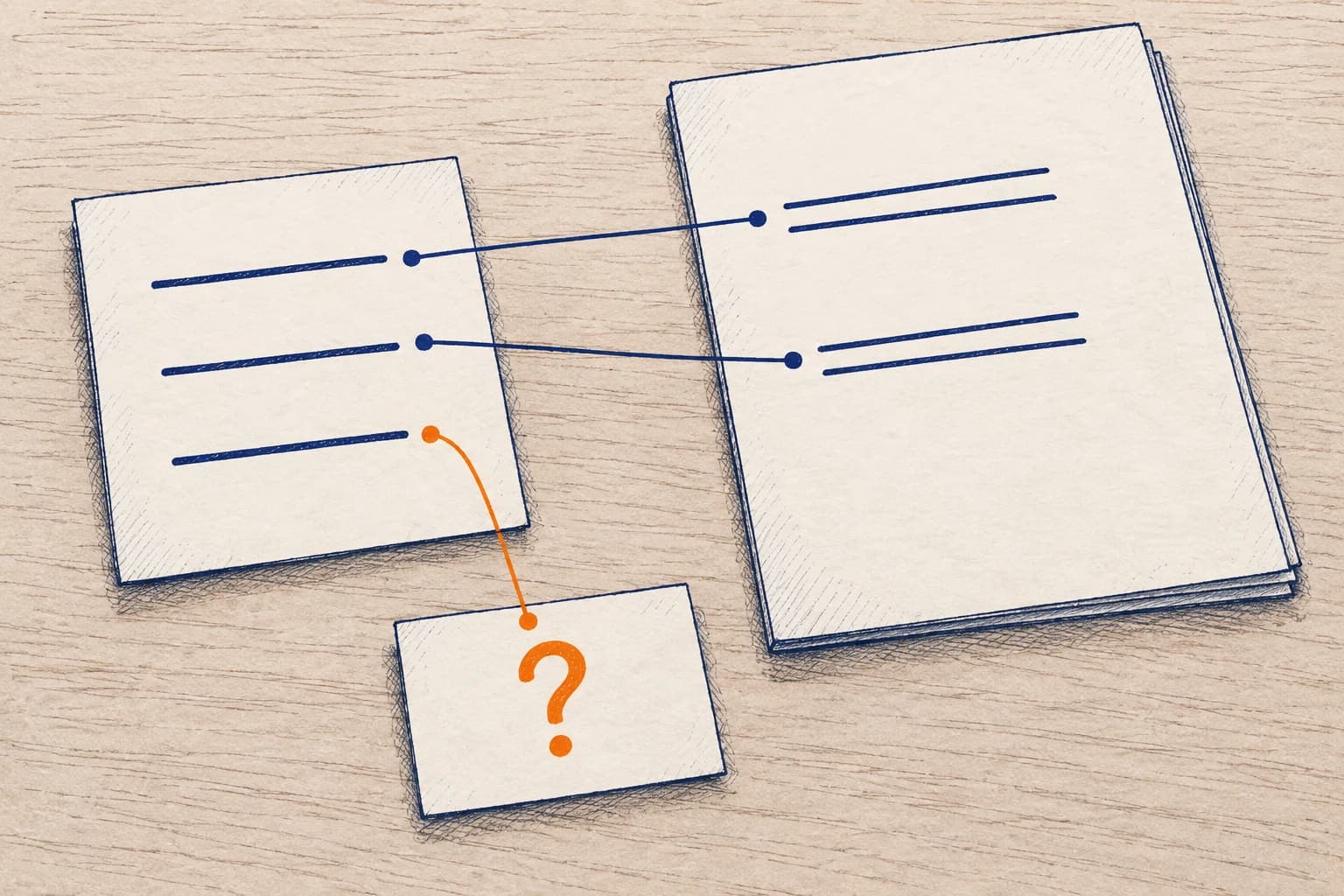
- Supported by the fictional activity“Practice drafting a project handover note from a supplied brief.”
- Not established by that activity“Prevent project delays and become a trusted team leader.”
- Editorial responseRemove the unsupported promise. Do not invent a lesson or a result to justify it.
SkillShiftEd’s college-side review guide distinguishes a description from the material and evidence behind it. A clear description is part of preparation; it is not proof of institutional approval, a credential or learner outcomes.
06 · A FICTIONAL DESCRIPTION
Read a description against its fact sheet.
Here is one possible description using only the invented details established above. Its purpose is to show the connection between course facts and learner-facing language, not to offer a template with a required word count.
Write Clear Project Handover Notes is a self-paced online course for team members passing routine project work to a colleague. Using a supplied project brief and worksheet, you will practice drafting a note that identifies the context, next action, owner and deadline. The course assumes you can read the short project brief used in the activity.
- Reader and situationThe opening names who the example serves and the work they are doing.
- Learning and activityThe middle describes the practice and the material used.
- Format and starting pointThe description names the invented delivery mode and the stated reading assumption.
- Claims kept outNo access period, certificate, job benefit or measured improvement has been added.
For a real offering, every one of those details needs confirmation. Good editing can make confirmed facts easier to follow; it cannot settle an undecided audience, fill a missing lesson or authorize a promise.

07 · THE NEXT PREPARATION STEP
Bring the description and its supporting facts together.
Before a description is published, confirm which course version it describes, who can verify the facts and who approves the public wording. Keep unanswered questions visible to that reviewer. The responsible people and approval route depend on the actual arrangement.
- Read as a prospective learnerCan you tell who the course serves, what you would practice and what taking part involves?
- Read against the materialsCan each statement be traced to the current course or a confirmed delivery decision?
- Read for implied promisesDoes any phrase suggest an award, approval or result that has not been established?
For the wider preparation process, see how the SkillShiftEd partnership works and what a reviewable course package can include. A learner-facing description should accurately represent that work.
Bring a short description, one representative activity and the facts still to confirm. That gives a fit conversation something concrete to examine.
See who SkillShiftEd works with
08 · QUESTIONS & ANSWERS
A few practical questions.
What should a course description include?
Describe the intended learner, the learning the course addresses, a representative activity and the confirmed format. Include relevant starting expectations and practical details in the places the actual publisher requires. Keep unresolved facts as questions for the responsible team.
Is a list of topics enough for a course description?
A topic list identifies subject matter, but it may leave the learning and experience unclear. Explain what learners will work on and give one concrete example of the activity, using the actual course materials.
How long should a course description be?
Use the actual catalog or publisher’s instructions. The sources used here do not establish one universal length. Keep the account concise while preserving the facts a reader needs, and use separate practical-information fields where the publisher provides them.
Can I mention a certificate or a career benefit?
Only state an award or benefit that has been established for the actual offering and approved for public communication. A writing exercise does not prove a career result, and a course proposal does not establish certification or institutional approval.
What if a course detail is still undecided?
Record the open question and ask the person responsible for that decision. Do not invent access arrangements, duration, requirements or benefits to complete the description. Confirm that the public wording matches the course version being offered.