EXPERT GUIDE · COURSE REVIEW
What Happens After I Submit My Course for Review?
Submission is a starting point. An initial fit discussion, the work of developing a course, and a college’s review answer different questions. Understanding those differences helps you prepare for the work ahead.
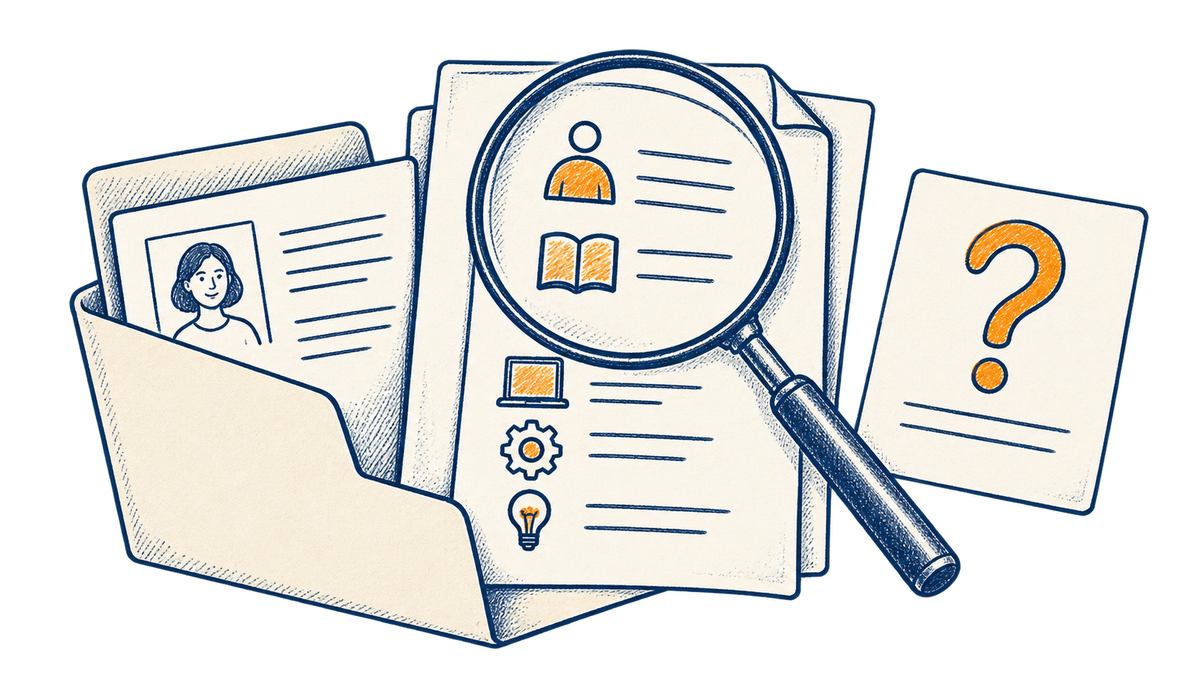
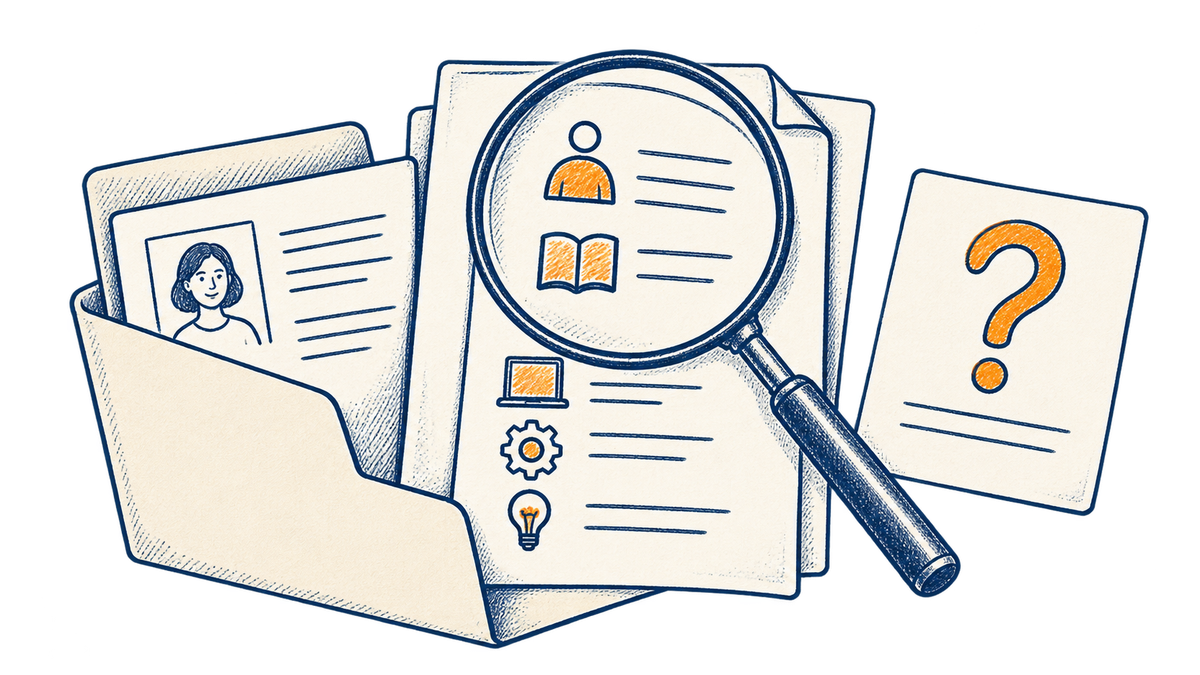
Sharing a course idea does not mean it has been accepted for development or approved by a college.
SkillShiftEd’s published process begins with a fit conversation, then describes course development and packaging before college-partner review. The amount of preparation depends on what you already have and what the program still needs.
01
What is being reviewed at the start?
The starting question is whether your expertise and idea provide a useful basis for a course conversation. A finished course is one possible starting point. A workshop, book, notes, recordings, or a grounded idea can also give that conversation substance.
If your material is incomplete, make its current state easy to see. Separate what already exists from what you hope to create. Our guide to starting without a finished course explains what you can bring.
Describe the learner, the task you want to help them do, and the material that supports it. Label missing pieces so a fit discussion can address them.
02

What will a reviewer need to understand?
A useful review conversation needs more than a topic name. We recommend preparing short answers to five questions:
- Who is the learner?Name the audience and what they already need to know.
- What will they learn to do?Describe a practical action the course will help them practice.
- What material exists?Point to an outline, explanation, example, recording, or learner task.
- What expertise supports it?Summarize relevant subject knowledge and teaching experience accurately.
- What remains uncertain?Identify gaps in the content, sources, practice, or delivery plans.
These are preparation questions, not a universal scorecard. Named institutions describe their own review needs:
- Central Oregon Community College asks about outcomes, audience, delivery, community need, the relationship to current offerings, and the proposer’s qualifications and teaching experience.
- Cabrillo College Extension describes reviewing the proposed content, the instructor’s qualifications, and whether the offering is marketable.
Those examples explain the questions at those institutions. They do not establish SkillShiftEd’s internal review criteria or imply a partnership with either college.
03
What might need more work?
Existing material may need clearer outcomes, a sequence of lessons, learner practice, ways to check the work, source support, or more usable instructions. SkillShiftEd’s description of course readiness connects these pieces to preparation for institutional review.
Consider a fictional trainer’s workshop for first-time managers. The outline includes advice about one-on-one conversations, but it does not yet show what a learner will practice. Here is one way to make the missing work specific.
- Define the intended action.Given a short workplace scenario, prepare three questions for a one-on-one conversation.
- Create the missing exercise.Supply a fictional scenario and ask the learner to write the questions they would use.
- Make the check explicit.Review whether each question relates to the scenario, invites an explanation, and avoids assuming facts the scenario does not provide.
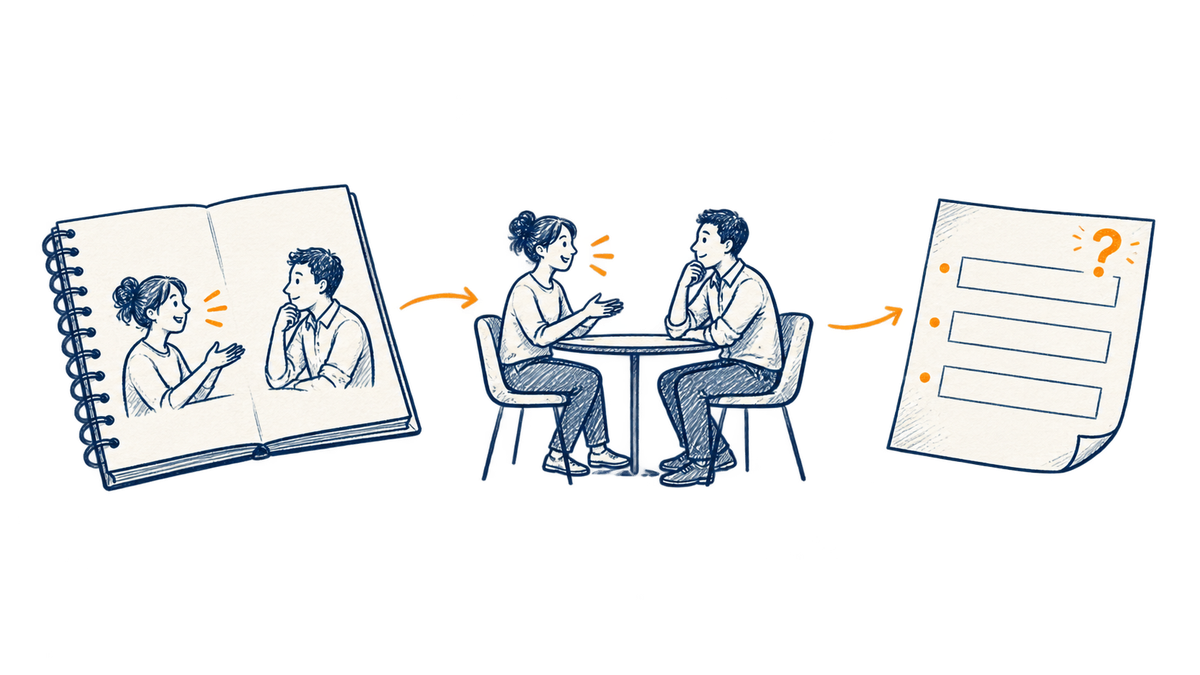

This is a fictional preparation example, not a customer story or an account of an actual review. It shows how a broad gap can become a defined piece of development work. It does not establish a required number of revisions or an acceptance path.
04
Who contributes during development?
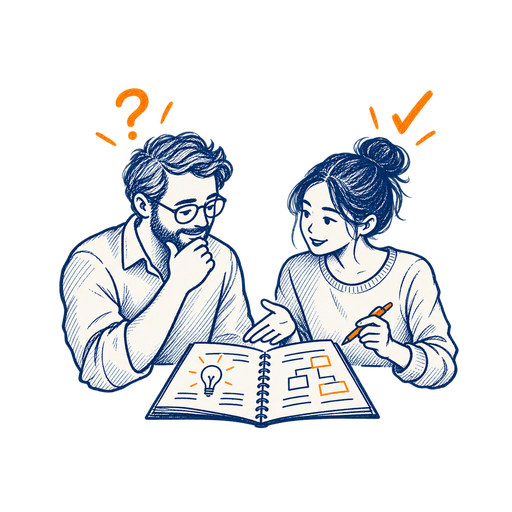
SkillShiftEd describes development as a combination of the expert’s subject knowledge and the team’s help with learning design, organization, production, and coordination.
- The expert contributesSubject knowledge, practical examples, and judgment about the accuracy and usefulness of the material.
- The team helps prepareLearning outcomes, lessons, assessments, and organized materials, alongside production, branding, and project coordination.
For your particular course, we recommend agreeing who will check subject accuracy, who will review the practice task, and who will resolve each open question. Name the work before assuming it is already covered. The broader development process explains the published division of responsibilities.
05

Is a prepared program already approved by a college?
No. A prepared program gives an institution material to examine. The college controls its own review, approval, catalog decisions, launch timing, and enrollment availability. Preparation does not guarantee placement.
A named example helps separate review from further development. Central Washington University requests a proposal, resume or CV, and acknowledgment of its instructor handbook. It describes a further development conversation when a proposed course fits community needs. That is CWU’s process; its timing and requirements do not describe SkillShiftEd’s process.
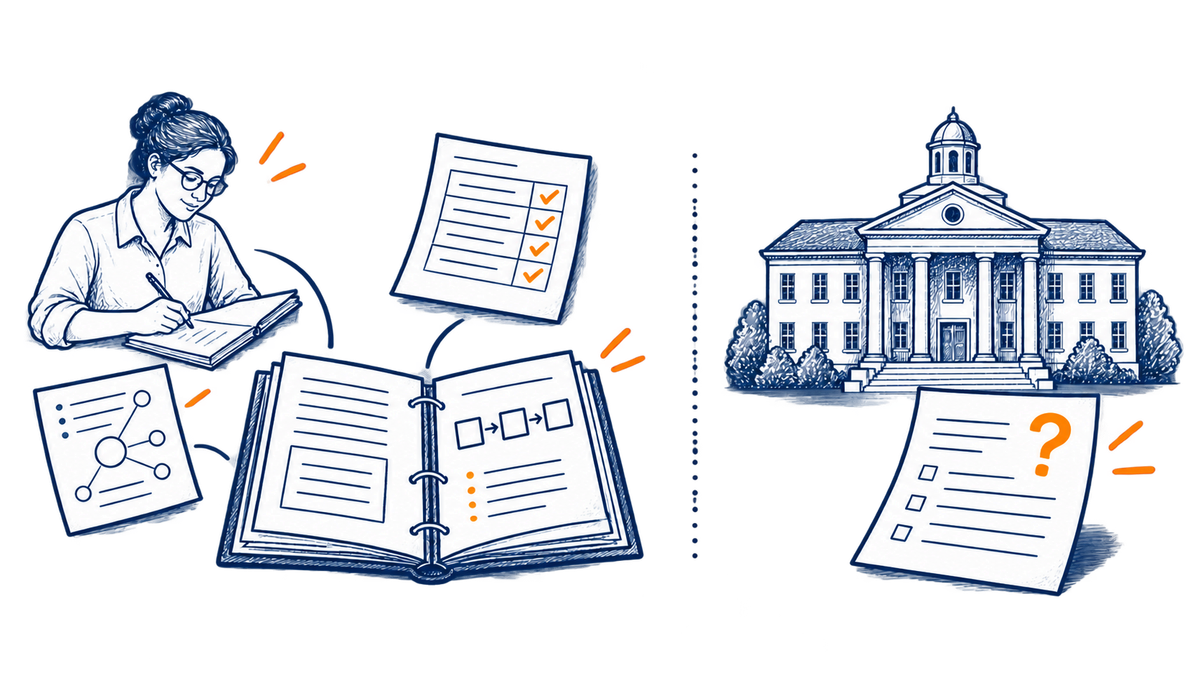

Use the intended institution’s current instructions for the relevant program type. A useful question is whether the material is being considered for further development or is ready for that institution’s own review.
06
What should the expert do next?
While preparing for the next conversation, keep a small, current set of material together. We recommend:
- Your current outlineMark which parts exist and which are planned.
- A brief, accurate bioConnect your experience to the proposed subject.
- One useful teaching sampleShow an explanation, example, or learner task.
- Known gaps and questionsRecord what needs work and what you need to clarify.
Ask what further information is needed, what work is being considered, and who would be responsible for it. Clarify what any proposed next step means before treating it as a commitment.
07

Questions experts ask
Does submitting a course idea mean it has been accepted?
No. Sharing a course idea does not mean it has been accepted for development or approved by a college. SkillShiftEd’s published process begins with a fit conversation, followed by course development and packaging before college-partner review.
What work might my existing material still need?
It may need clearer outcomes, a lesson sequence, learner practice, ways to check the work, source support, or more usable instructions. These pieces help prepare material for institutional review; they do not establish an acceptance path.
Who contributes during course development?
The expert contributes subject knowledge, practical examples, and judgment about accuracy and usefulness. The team helps with learning outcomes, lessons, assessments, organized materials, production, branding, and coordination. For a particular course, agree who will check accuracy, review practice tasks, and resolve open questions.
Is a prepared program already approved by a college?
No. A prepared program gives an institution material to examine. The college controls its own review, approval, catalog decisions, launch timing, and enrollment availability. Preparation does not guarantee placement.
What should I bring to the next conversation?
SkillShiftEd recommends a current outline showing what exists and what is planned, a brief accurate bio, one teaching sample, and known gaps or questions. Ask what further information is needed, what work is being considered, and who would be responsible before treating a next step as a commitment.
BRING THE MATERIAL YOU HAVE
Ready for a first conversation?
Share your subject, relevant experience, and working course outline through the program-review entry point.
Start a program review