EXPERT GUIDE
How do you turn your course into a college program?
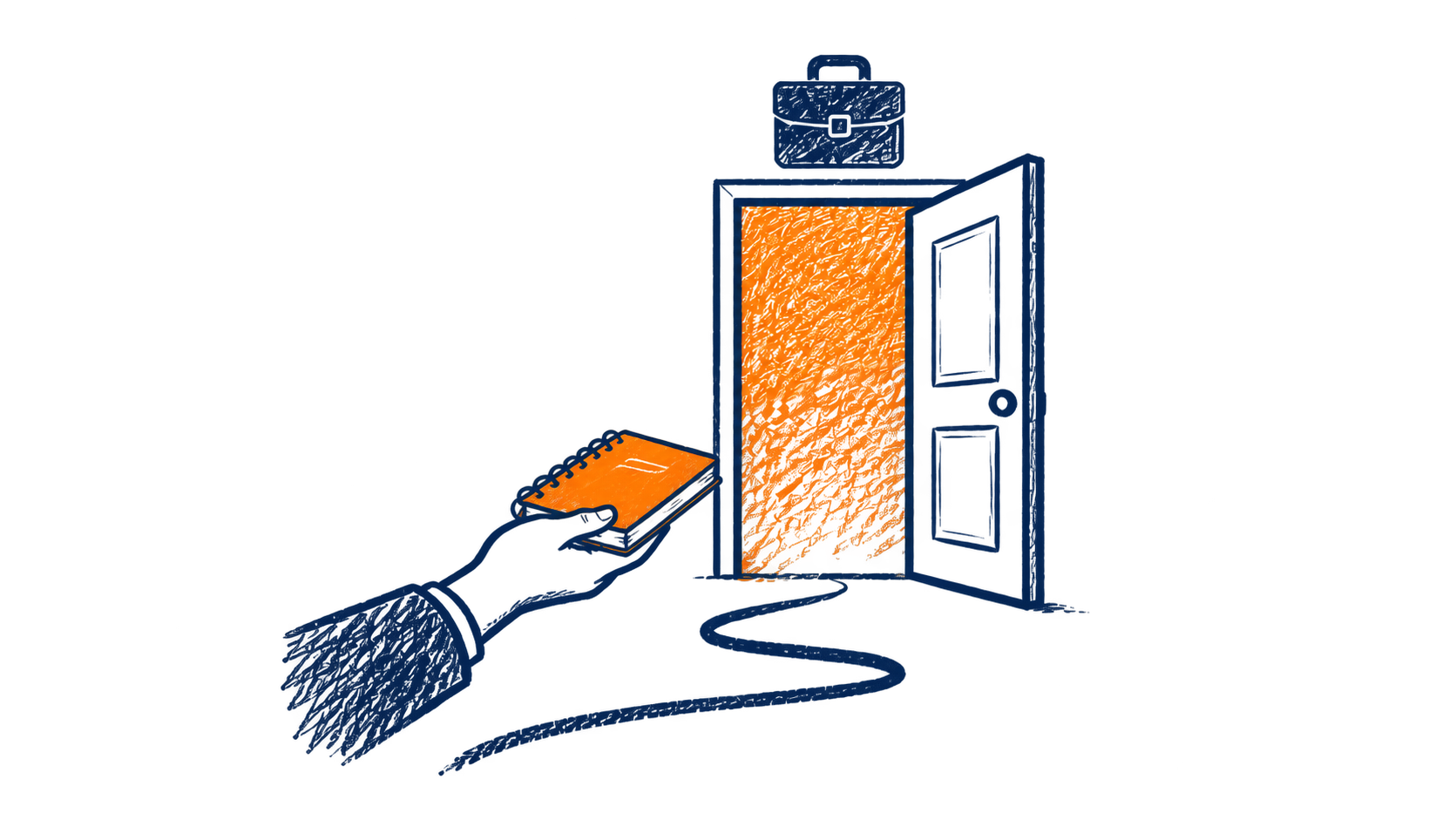
An online course, book, workshop, or set of recordings can be a strong starting point. Turning it into a college-ready continuing-education program usually means clarifying outcomes, filling gaps, building assessments, and packaging the material for institutional review.
Book a Call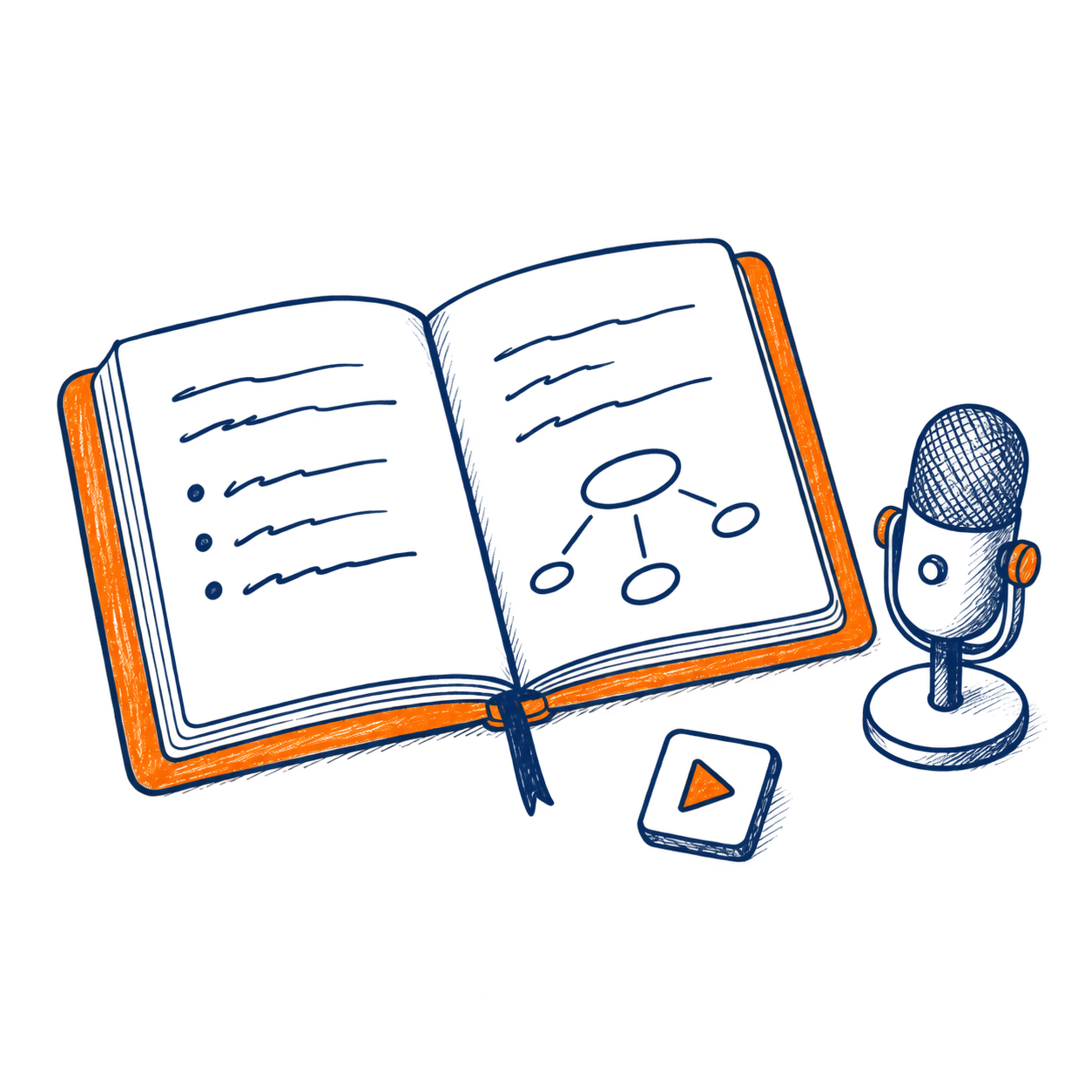

What changes when existing content is prepared for college continuing education.
Audit what already exists
Identify the strongest lessons, evidence, activities, and source material. Separate what can be reused from what must be built.
Define measurable outcomes
State what learners should know or do by the end of the program. Outcomes guide the lesson order and assessments.
Fill the instructional gaps
Add explanations, practice, assessments, instructor resources, and learner support where the original format falls short.
Package and submit
Coordinate branding, production, publishing materials, and partner review without promising that any institution will approve the program.
What to keep in mind
- A finished course, book, workshop, notes, recordings, or a strong idea
- Real subject experience and the right to use supplied material check ownership and intended reuse of your material
- Time to review and improve the work
- A willingness to meet partner-specific requirements
Questions about adapting existing material
What existing material can be a starting point?
An online course, book, workshop, or set of recordings can be a strong starting point. The page also lists notes and a strong idea. The material still needs to be shaped into a program for institutional review.
What changes when existing content becomes a program?
Audit what already exists, define measurable outcomes, fill instructional gaps, and package the material for partner review. This can mean adding explanations, practice, assessments, instructor resources, and learner support where the original format falls short.
Why define outcomes before organizing the lessons?
Outcomes state what learners should know or do by the end of the program. They guide the lesson order and assessments, helping turn existing content into a structured learning program.
What should the expert be ready to contribute?
Bring real subject experience and the right to use the supplied material. Plan to spend time reviewing and improving the work and to meet partner-specific requirements. Preparing and submitting the program does not promise that an institution will approve it.
YOUR NEXT CHAPTER
Start with what you have
Bring the course, book, workshop, notes, recordings, or idea you have today. The free 25-minute call is a fit conversation, not a promise of approval or placement.
Book a Call25 minutes. No cost. No obligation.