
Program concept for review
AI for Real Estate Agents
Write clearly without adding facts the property record does not support.
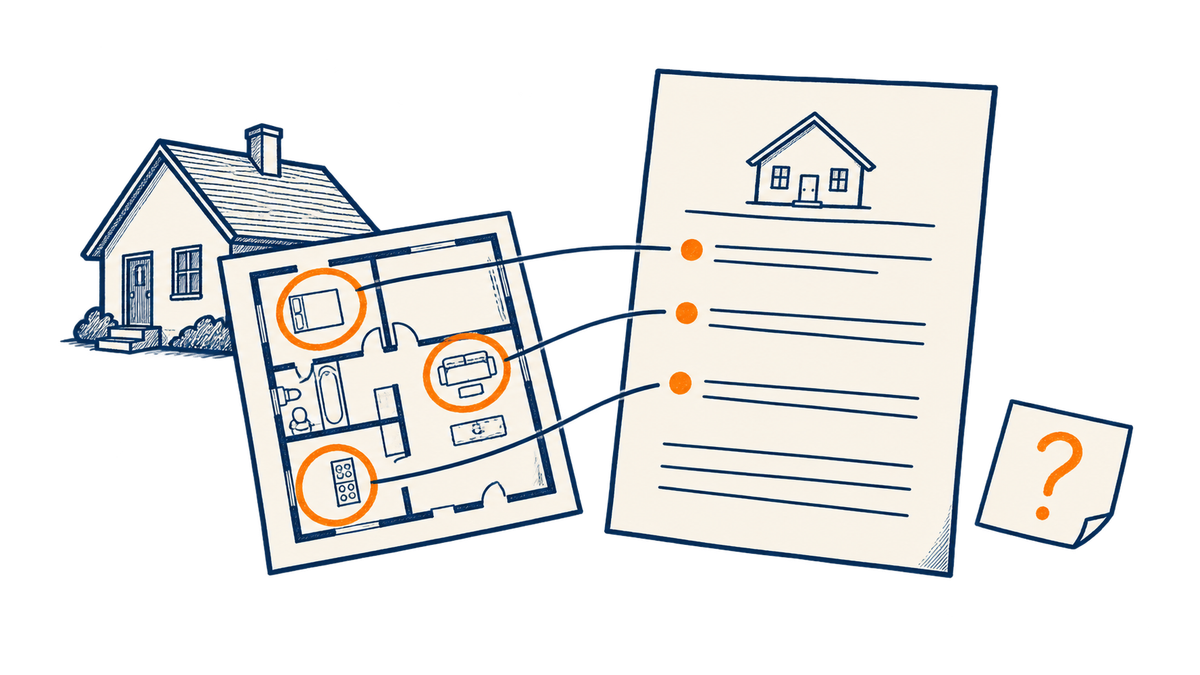
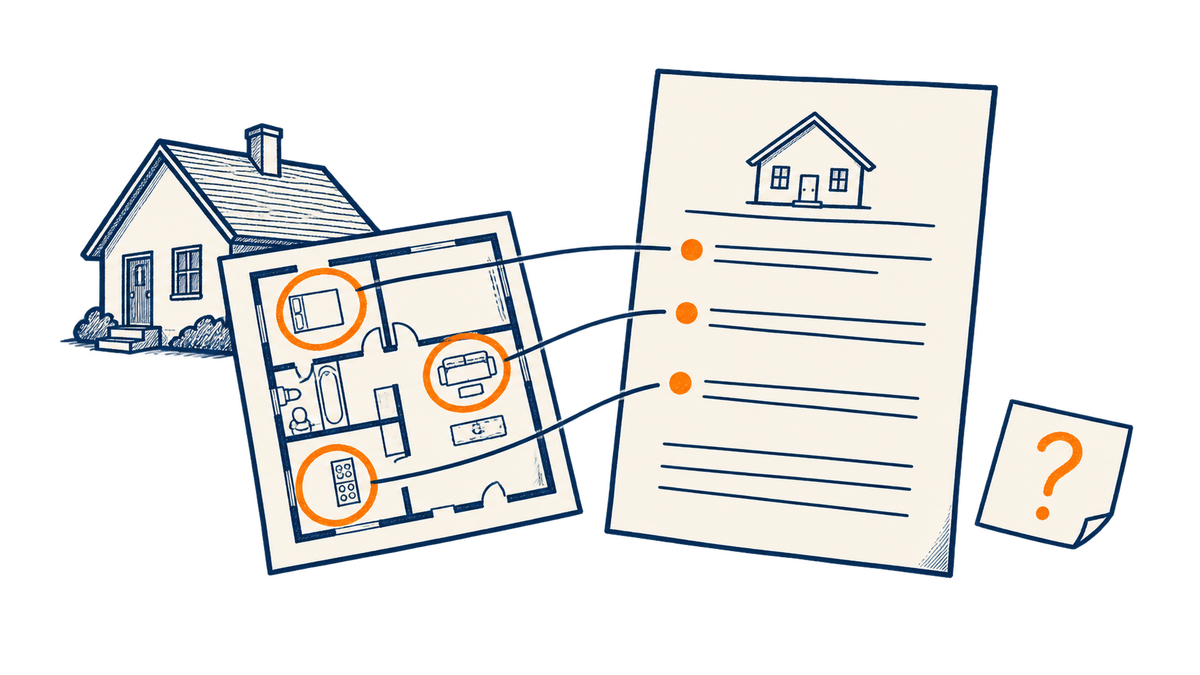
Real estate agents promote properties, coordinate showings, and communicate with buyers and sellers. A practical course can use those tasks to teach careful drafting, fact checks, and appropriate handoffs.
Work to practice

Work from a fictional property fact sheet to draft a listing description. Prepare a showing follow-up and a plain-language outline of the next steps supplied by the instructor. Compare each draft with the approved facts before using it.
What the learning should cover

Practice giving the tool a defined source, audience, and purpose. Learn to remove invented amenities and unsupported neighborhood descriptions. Review tone and language, then document which details require confirmation from the responsible professional.
A work sample worth reviewing

Create a listing description, a client email, and a correction record. Every property claim must point to the supplied fact sheet. The final submission should explain what was changed and why.
Where judgment stays with people

Do not let a draft invent property features, schools, legal requirements, or financing terms. Build a review for misleading or exclusionary wording. Keep real client information out of classroom exercises, and route legal, lending, or tax questions to the appropriate qualified person.
Help shape the program

Do you teach real estate practice? Bring a source-based writing exercise and the checks you use before a client sees it. We can discuss whether your experience and material fit a continuing-education program.
The broader expert fit is on who SkillShiftEd works with.
Discuss a programA fit conversation is a starting point. Each institution controls its own approval and placement.
Common answers

Is this an open course for real estate agents?
No. This page describes a program concept for discussion, not an enrollment offer. Its proposed practice would use fictional material; the page does not present an open course or completed learner results.
What work would the proposed practice involve?
The proposed practice would use a fictional property fact sheet to draft listing copy and a showing follow-up, plus an instructor-supplied outline of next steps. Every draft would be compared with the approved facts before use.
What work sample would be reviewed?
The proposed sample would include a listing, client email and correction record using fictional material. Each claim would need a source, and the reviewer would explain edits that remove invented amenities, unsupported neighborhood descriptions or other unconfirmed details.
Would this replace professional training or judgment?
No. The proposed lessons would build on occupational knowledge and would not grant a license or permission to work beyond the learner’s role. The proposed practice would require review for misleading or exclusionary wording and invented property features, school claims, legal requirements or financing terms. Exercises would exclude real client information and route legal, lending and tax questions to an appropriately qualified person.
Who can help shape this program concept?
Practitioners and instructors with relevant experience and material they have the right to use can discuss an exercise in fact-based writing and the checks needed before communicating with a client. A fit conversation would explore whether that material suits a continuing-education program; each institution would control its own approval and placement.