
Program concept for review
AI for Paralegals
Keep every draft connected to the record and the supervising attorney.
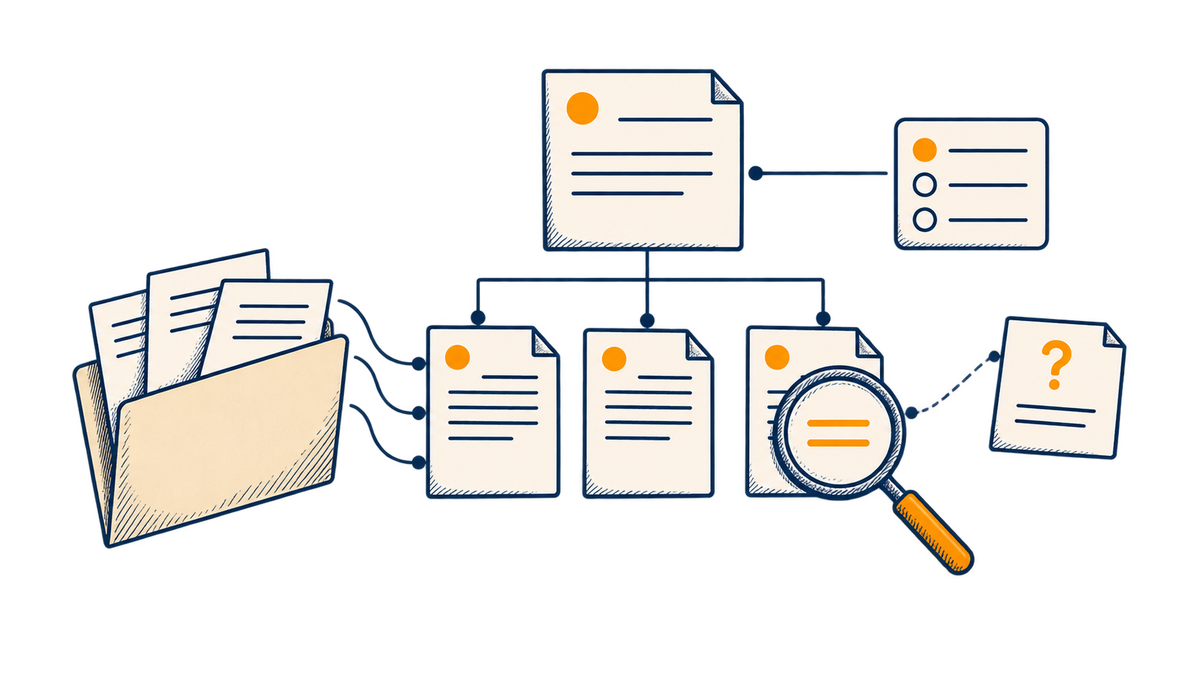
Paralegals organize documents, support research, and help prepare case materials. A useful AI course should teach careful source handling and a reviewable handoff within the learner’s assigned role.
Work to practice

Use a fictional case packet to draft a chronology and document index. Prepare a summary that points to the source for each statement. Check a supplied list of citations against the original materials rather than relying on the draft’s confidence.
What the learning should cover

Practice distinguishing a quotation, a paraphrase, and an inference. Identify missing records and conflicting accounts. Learn to explain limitations and prepare questions for attorney review.
A work sample worth reviewing
Produce a case summary, source index, and verification record. Include a deliberately flawed draft and explain the errors corrected. The final work should let a reviewer trace every factual statement.
Where judgment stays with people
Do not use the exercise to give legal advice, make filing decisions, or replace attorney review. Use fictional or properly authorized materials. The ABA’s AI ethics guidance addresses lawyers’ responsibilities for competence and confidentiality; local rules and office procedures also need review.
Help shape the program

Do you teach paralegal practice? Bring an exercise that shows how learners verify sources and work within a supervised role. We can discuss whether your experience and material fit a continuing-education program.
The broader expert fit is on who SkillShiftEd works with.
Discuss a programA fit conversation is a starting point. Each institution controls its own approval and placement.
Common answers

Is this an open course for paralegals?
No. This page describes a program concept for discussion, not an enrollment offer. Its proposed practice would use fictional material; the page does not present an open course or completed learner results.
What work would the proposed practice involve?
The proposed practice would use a fictional case packet to build a chronology and document index, summarize source material and check supplied citations against originals. It would distinguish quotation, paraphrase and inference, with a source for every factual assertion.
What work sample would be reviewed?
The proposed sample would include a case summary, source index and verification record using fictional material. Reviewing a deliberately flawed draft would show which errors were found and corrected, while preserving missing records, conflicting accounts and questions for an attorney.
Would this replace professional training or judgment?
No. The proposed lessons would build on occupational knowledge and would not grant a license or permission to work beyond the learner’s role. The proposed practice would not provide legal advice, make filing decisions or replace attorney review. It would use fictional material and keep the supervised role clear, including the limits of the summary and questions that need an attorney’s judgment.
Who can help shape this program concept?
Practitioners and instructors with relevant experience and material they have the right to use can discuss an exercise that makes source verification and the supervised role clear. A fit conversation would explore whether that material suits a continuing-education program; each institution would control its own approval and placement.