
Program concept for review
AI for Marketing Specialists
Give every insight and claim a source a colleague can inspect.
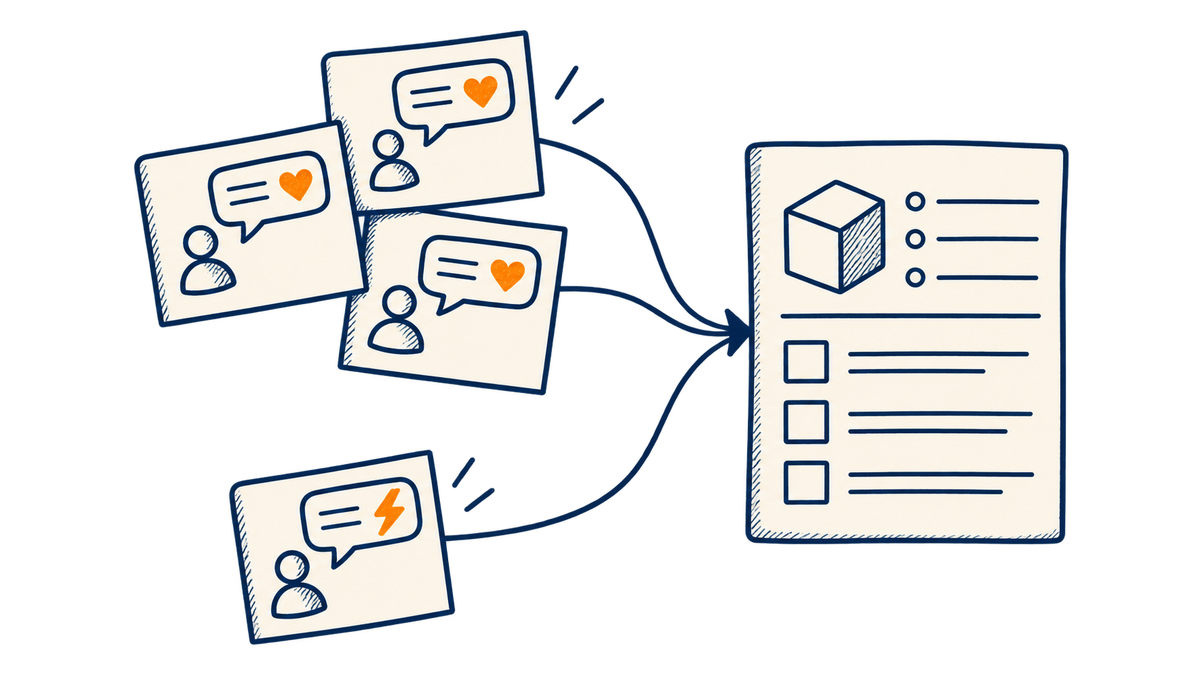
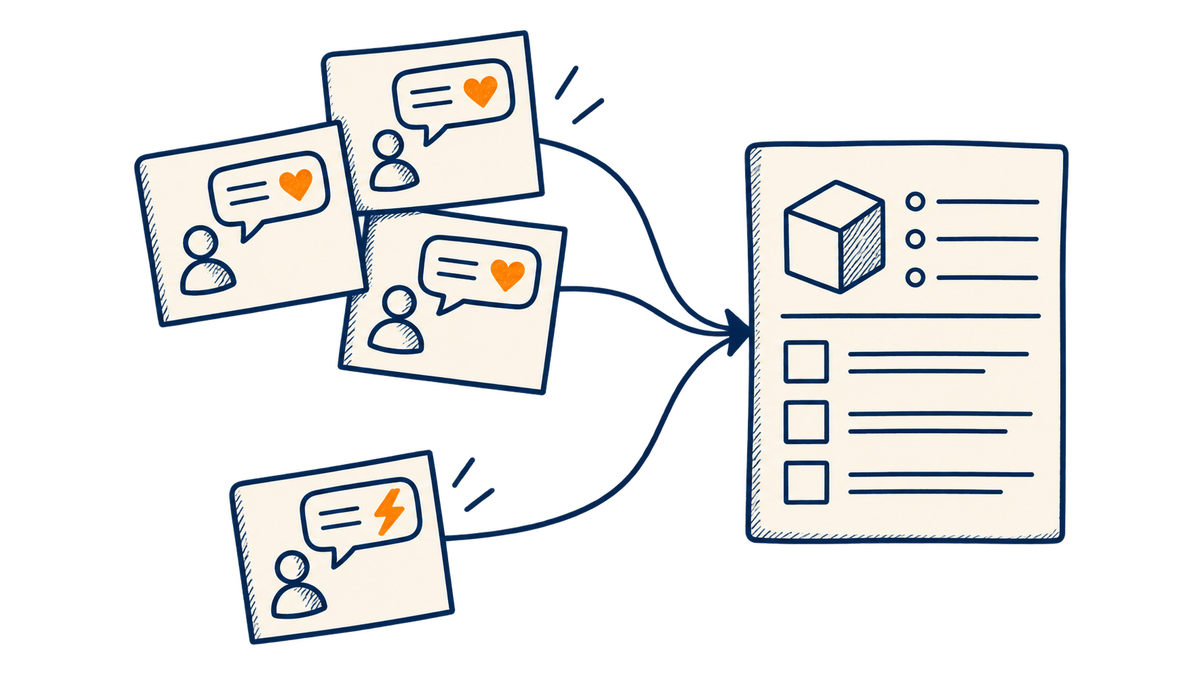
Marketing specialists study customer information, report findings, and assess marketing activity. A practical AI course should teach learners to distinguish evidence from an appealing story.
Work to practice
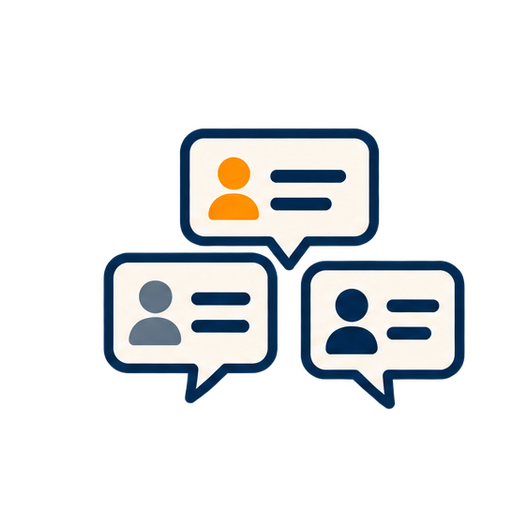
Use a permitted sample of fictional customer feedback to draft a theme summary. Build a content brief from an approved product fact sheet. Review a report draft for conclusions that go beyond the supplied evidence.
What the learning should cover

Practice separating direct observations from interpretations. Look for feedback that contradicts the proposed theme. Check every product statement against its source and explain the limits of the sample.
A work sample worth reviewing
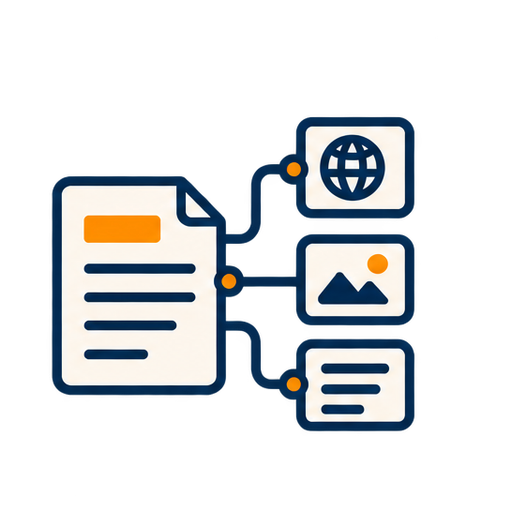
Produce a research summary and content brief with source notes, contrary examples, and a correction log. The assessment should reward sound reasoning and accurate claims rather than the number of drafts produced.
Where judgment stays with people
Do not invent testimonials, research participants, campaign results, or customer quotes. Keep private customer data out of exercises. Require a human review of product claims, permissions, and the fit between evidence and conclusions before publication.
Help shape the program

Do you teach marketing research or practice? Bring an exercise that makes evidence, editing, and final approval part of the work. We can discuss whether your experience and material fit a continuing-education program.
The broader expert fit is on who SkillShiftEd works with.
Discuss a programA fit conversation is a starting point. Each institution controls its own approval and placement.
Common answers

Is this an open course for marketing specialists?
No. This page describes a program concept for discussion, not an enrollment offer. Its proposed practice would use fictional material; the page does not present an open course or completed learner results.
What work would the proposed practice involve?
The proposed practice would use fictional customer feedback to identify themes, approved product facts to prepare a content brief and a supplied report to check unsupported conclusions. It would separate observations from interpretations and look for contrary feedback.
What work sample would be reviewed?
The proposed sample would pair a research summary with a content brief, source notes, contrary examples and a correction log. Review would focus on the reasoning behind the summary, the limits of the sample and the accuracy of claims, rather than how many drafts were produced.
Would this replace professional training or judgment?
No. The proposed lessons would build on occupational knowledge and would not grant a license or permission to work beyond the learner’s role. The proposed practice would not invent testimonials, research participants, campaign results or quotations, or use private customer data. A human reviewer would check claims, permissions and whether the evidence supports the message before publication.
Who can help shape this program concept?
Practitioners and instructors with relevant experience and material they have the right to use can discuss an exercise connecting evidence, editing and approval. A fit conversation would explore whether that material suits a continuing-education program; each institution would control its own approval and placement.