
Program concept for review
AI for Insurance Claims Adjusters
Keep the evidence visible from the first note to the final review.
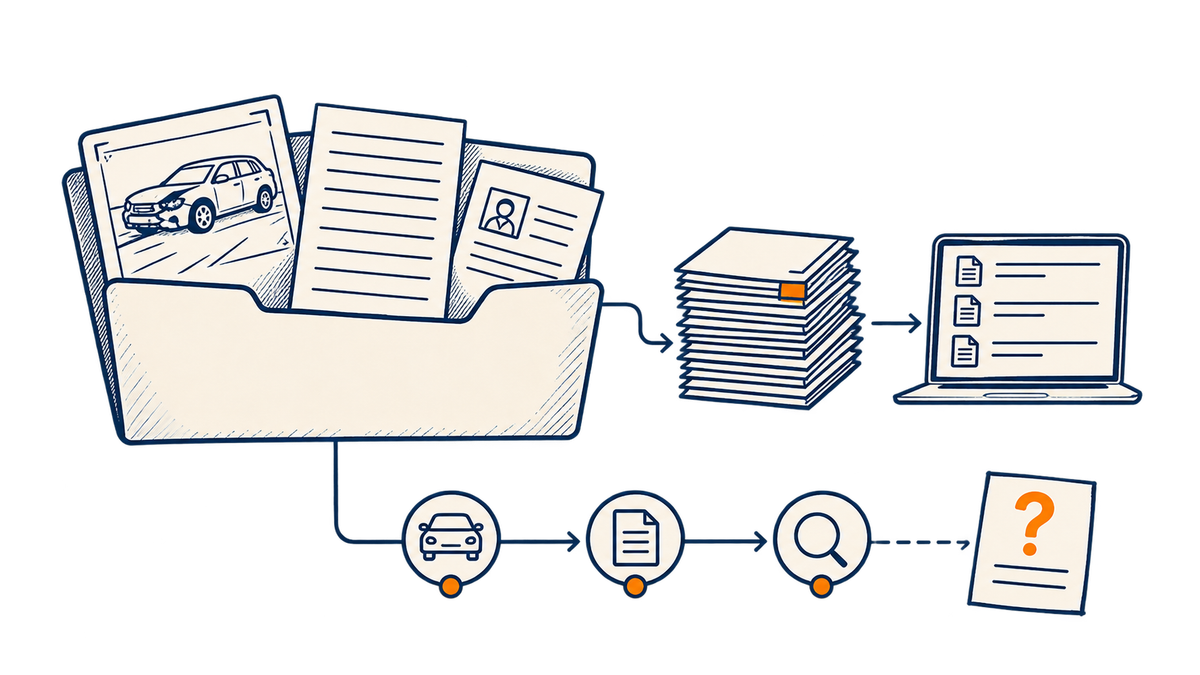
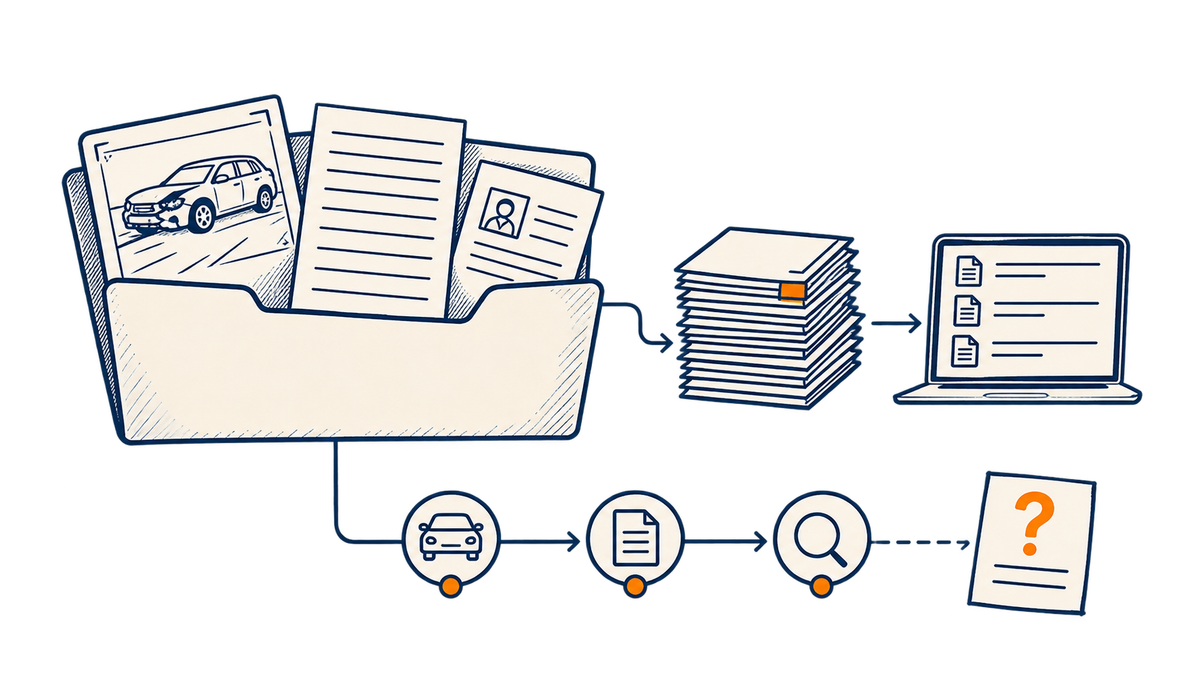
Claims adjusters review records, investigate claims, and document findings. A practical AI course should teach learners to organize a file while preserving uncertainty and the difference between evidence and interpretation.
Work to practice

Use a fictional claim packet to draft a timeline. List missing documents and prepare a neutral request for clarification. Compare a summary against the record to find contradictions, omissions, and unsupported conclusions.
What the learning should cover

Begin with the sources and their limits. Practice tracing statements back to documents, preserving competing accounts, and marking what remains unknown. Learn how to prepare a concise handoff for an authorized reviewer.
A work sample worth reviewing
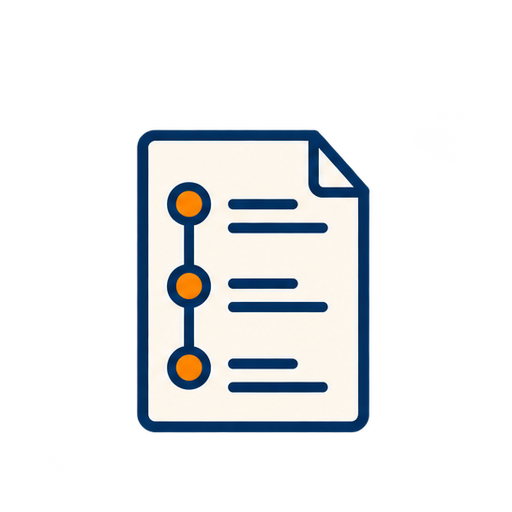
Create a claim chronology and evidence index. Include a source for every event, an unresolved-issue list, and corrections to the first draft. Assess whether another reviewer can follow the reasoning.
Where judgment stays with people
Do not let the draft decide coverage, liability, settlement, or suspected fraud. Keep those decisions with authorized professionals using the applicable policy and procedures. Classroom files should be fictional. Teach learners to preserve disputed facts rather than letting a summary turn them into certainty.
Help shape the program

Do you train claims professionals? Bring a case exercise that shows how you separate evidence, uncertainty, and decisions. We can discuss whether your experience and material fit a continuing-education program.
The broader expert fit is on who SkillShiftEd works with.
Discuss a programA fit conversation is a starting point. Each institution controls its own approval and placement.
Common answers

Is this an open course for insurance claims adjusters?
No. This page describes a program concept for discussion, not an enrollment offer. Its proposed practice would use fictional material; the page does not present an open course or completed learner results.
What work would the proposed practice involve?
The proposed practice would use a fictional claim packet to build a timeline, identify missing documents and draft neutral clarification questions. Review would look for contradictions, omissions and conclusions that the supplied evidence does not support.
What work sample would be reviewed?
The proposed sample would pair a claim chronology with an evidence index. Every event would point to its source, unresolved issues would remain visible and a correction record would show the reasoning behind changes. Competing accounts would not be silently reconciled into a single asserted fact.
Would this replace professional training or judgment?
No. The proposed lessons would build on occupational knowledge and would not grant a license or permission to work beyond the learner’s role. The proposed practice would leave coverage, liability, settlement and fraud decisions with authorized professionals following applicable policies and procedures. Fictional files would be used, and disputed facts would remain uncertain rather than becoming decisions through a generated draft.
Who can help shape this program concept?
Practitioners and instructors with relevant experience and material they have the right to use can discuss a case exercise showing how to separate evidence, uncertainty and decisions. A fit conversation would explore whether that material suits a continuing-education program; each institution would control its own approval and placement.