
Program concept for review
AI for Construction Estimators
Put the scope, source documents, and estimator’s judgment at the center.
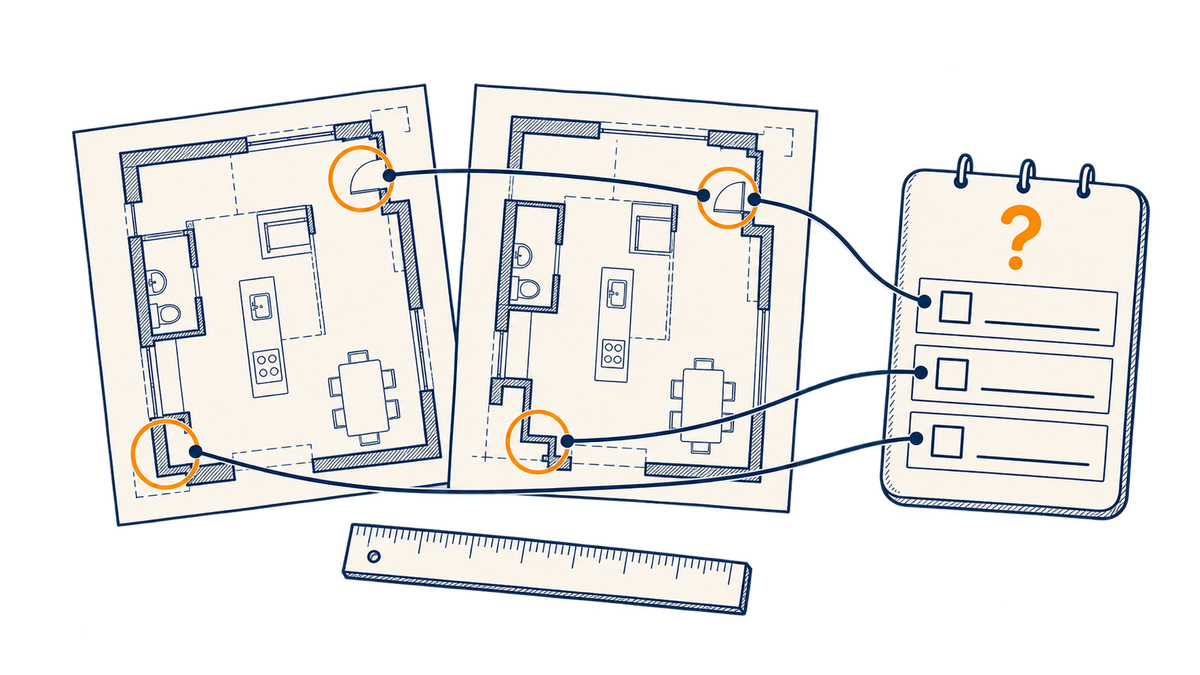
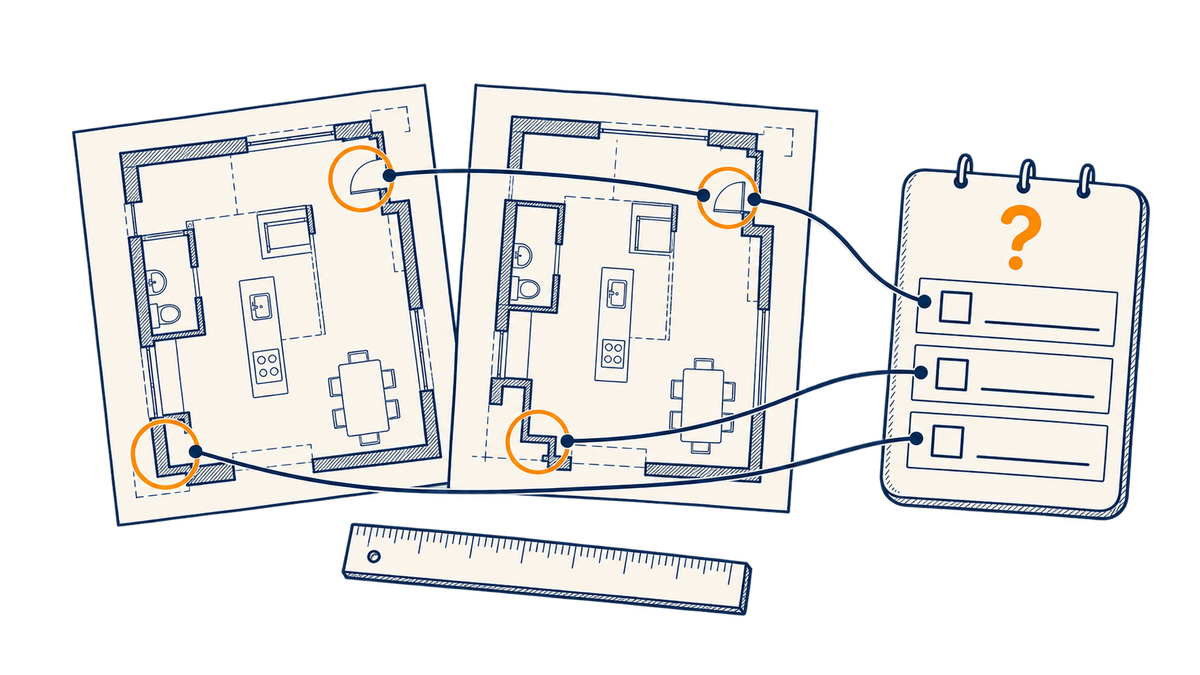
Estimators work from plans, specifications, and other project information to prepare estimates. A useful AI course should teach learners to organize that information, question a draft, and explain every assumption that affects the work.
Work to practice
Start with a fictional project brief. Compare two versions of a scope document, draft a list of missing information, and prepare questions for a supplier. Keep each question tied to a specific passage in the supplied material.
What the learning should cover
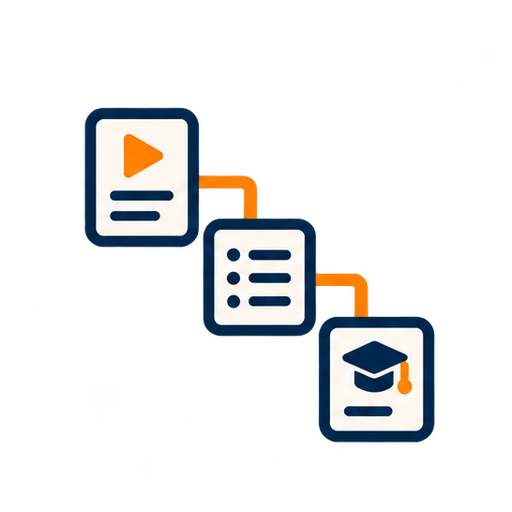
The proposed learning path begins with document selection and version checks. Learners then write clear instructions, compare a generated summary with the originals, and separate stated requirements from assumptions. Finish by explaining which parts need an estimator’s independent check.
A work sample worth reviewing
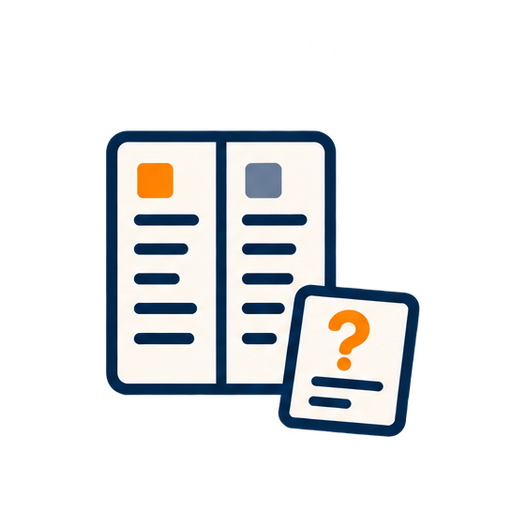
Create a scope comparison and clarification log. For each issue, show the source passage, the draft interpretation, the correction, and the person who should resolve it. Assess traceability and completeness, not the polish of the prose.
Where judgment stays with people
An omitted exclusion or invented quantity could change the meaning of an estimate. Teach learners to check calculations in appropriate estimating tools and verify scope against the project documents. Use fictional materials; do not upload confidential bids without authorization. Keep final estimating decisions with a qualified reviewer.
Help shape the program

Do you teach construction estimating? Bring an exercise that shows how you check scope, assumptions, and supporting documents. We can discuss whether your experience and material fit a continuing-education program.
The broader expert fit is on who SkillShiftEd works with.
Discuss a programA fit conversation is a starting point. Each institution controls its own approval and placement.
Common answers

Is this an open course for construction estimators?
No. This page describes a program concept for discussion, not an enrollment offer. Its proposed practice would use fictional material; the page does not present an open course or completed learner results.
What work would the proposed practice involve?
The proposed exercise would use a fictional project brief to compare two scope versions, list missing information and draft supplier questions tied to specific source passages. It would ask the reviewer to separate stated requirements from assumptions.
What work sample would be reviewed?
A proposed work sample would pair a scope comparison with a clarification log. Each item would identify the source passage, draft interpretation, correction and responsible person. Review would focus on traceability and completeness, with quantities and calculations checked independently using appropriate estimating tools.
Would this replace professional training or judgment?
No. The proposed lessons would build on occupational knowledge and would not grant a license or permission to work beyond the learner’s role. An AI draft could omit an exclusion or invent a quantity. The proposed practice would require scope verification and independent calculation checks; a qualified reviewer would retain final decisions. Exercises would use fictional material rather than confidential bids.
Who can help shape this program concept?
Practitioners and instructors with relevant experience and material they have the right to use can discuss an exercise showing how estimators check scope, assumptions and supporting documents. A fit conversation would explore whether that material suits a continuing-education program; each institution would control its own approval and placement.