
Program concept for review
AI for Bookkeepers
Use the original record as the starting point and the final check.
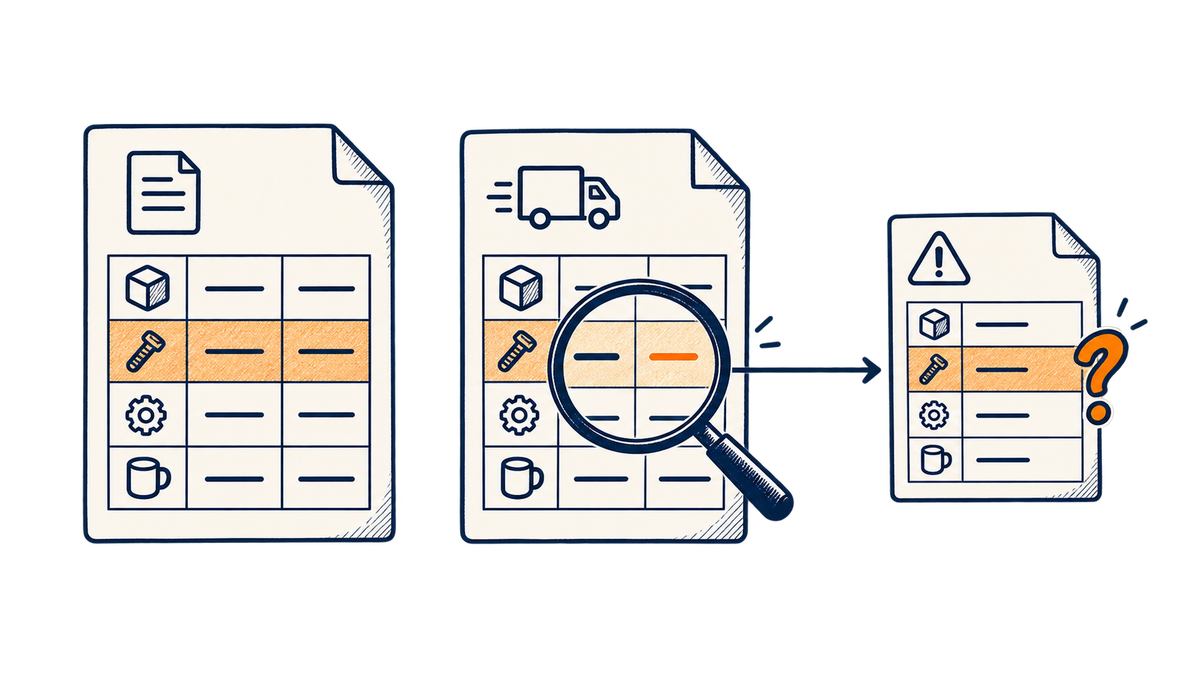
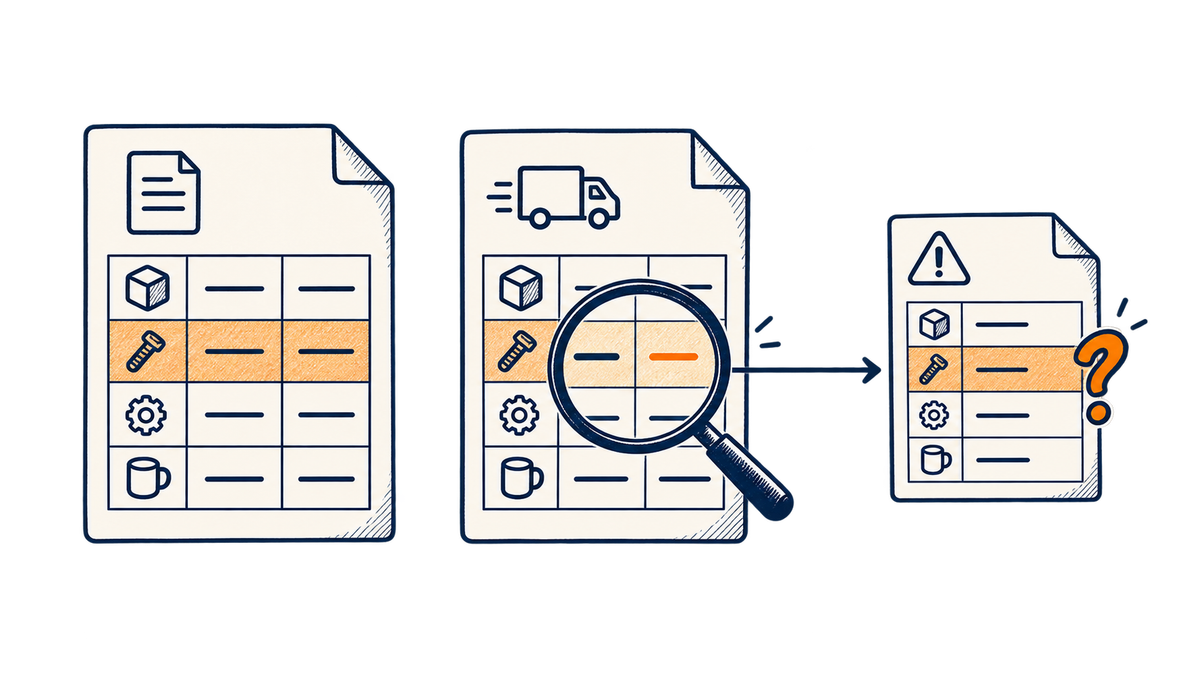
Bookkeepers check entries, match supporting documents, and identify differences in records. Useful AI training should help learners organize questions and explain their checks before any change is made.
Work to practice

Work from a fictional document set to draft a missing-information request. Prepare a checklist for matching an invoice to an order record. Summarize a discrepancy without guessing the cause or changing an entry.
What the learning should cover

Practice giving the tool a bounded task and a supplied procedure. Learn to spot invented categories, missing evidence, and explanations that go beyond the record. Document the steps a person must complete before an entry can be approved.
A work sample worth reviewing

Build an exception log showing the record reviewed, the question raised, the evidence needed, and the proposed next step. Include a corrected draft and a handoff note for the supervising professional.
Where judgment stays with people

Do not treat a suggested category as an approved posting. Keep account changes, payments, payroll actions, and access credentials outside the exercises. Use fictional identifiers and verify any calculations in the approved accounting process.
Help shape the program

Do you train bookkeepers? Bring an exercise that teaches careful matching, clear questions, and a reliable review trail. We can discuss whether your experience and material fit a continuing-education program.
The broader expert fit is on who SkillShiftEd works with.
Discuss a programA fit conversation is a starting point. Each institution controls its own approval and placement.
Common answers

Is this an open course for bookkeepers?
No. This page describes a program concept for discussion, not an enrollment offer. Its proposed practice would use fictional material; the page does not present an open course or completed learner results.
What work would the proposed practice involve?
The proposed practice would use fictional records to draft a missing-information request, build an invoice-to-order matching checklist or describe a discrepancy. It would not guess the cause of a discrepancy or change an entry.
What work sample would be reviewed?
The proposed sample would be an exception log identifying the record, question, evidence needed and next step. A corrected draft and supervisor handoff would show the review trail. Checks would look for invented categories, missing evidence and conclusions beyond the supplied record.
Would this replace professional training or judgment?
No. The proposed lessons would build on occupational knowledge and would not grant a license or permission to work beyond the learner’s role. In the proposed practice, a suggested category would not be an approved posting. Exercises would exclude account changes, payments, payroll changes and credentials, use fictional identifiers and require calculation checks through the approved process before any human approval.
Who can help shape this program concept?
Practitioners and instructors with relevant experience and material they have the right to use can discuss an exercise in matching records, asking clear questions and keeping a useful review trail. A fit conversation would explore whether that material suits a continuing-education program; each institution would control its own approval and placement.