
Program concept for review
AI for Accountants
Make the explanation easier to review without weakening the evidence behind it.
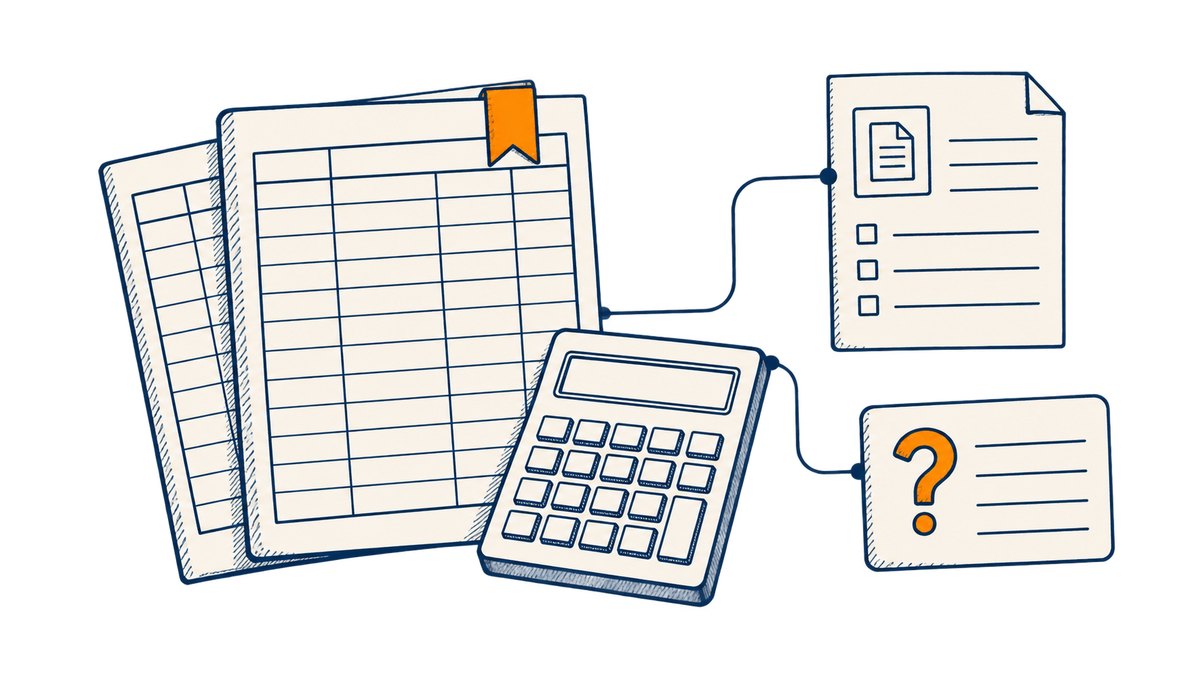
Accountants examine records, reconcile differences, and prepare or analyze financial reports. A role-specific AI course should focus on how a draft is checked against the records and how unresolved issues reach the responsible professional.
Work to practice
Use fictional accounting records to draft a process note. Summarize a supplied reconciliation issue, list questions for the preparer, and turn an approved review procedure into a checklist.
What the learning should cover

Practice defining the reporting context and limiting the draft to supplied material. Check whether an explanation matches the evidence. Separate a possible cause from a verified finding, and document who reviews the work.
A work sample worth reviewing
Prepare a review memo with source references, unanswered questions, and a correction log. Include an explanation of which checks were performed outside the AI tool. Assessment should reward accurate reasoning and clear limits.
Where judgment stays with people

Keep unsupported tax conclusions, accounting-policy decisions, and audit opinions out of generated drafts. Verify calculations and records independently. Use fictional material in training and follow approved handling rules before any use of client information.
Help shape the program

Do you teach accounting? Bring a review exercise that demonstrates how learners substantiate an explanation and identify what still needs professional judgment. We can discuss whether your experience and material fit a continuing-education program.
The broader expert fit is on who SkillShiftEd works with.
Discuss a programA fit conversation is a starting point. Each institution controls its own approval and placement.
Common answers

Is this an open course for accountants?
No. This page describes a program concept for discussion, not an enrollment offer. Its proposed practice would use fictional material; the page does not present an open course or completed learner results.
What work would the proposed practice involve?
The proposed practice would use fictional records to draft a process note, summarize a supplied reconciliation issue, prepare questions or turn an approved review procedure into a checklist. It would distinguish a possible cause from a verified finding.
What work sample would be reviewed?
The proposed sample would be a review memo with source references, unanswered questions and a correction log. It would show which checks were completed outside the AI tool. Review would focus on accurate reasoning, clear limits and whether the explanation matches the supplied evidence.
Would this replace professional training or judgment?
No. The proposed lessons would build on occupational knowledge and would not grant a license or permission to work beyond the learner’s role. The proposed practice would not produce unsupported tax conclusions, accounting-policy decisions or audit opinions. Calculations and records would be verified independently, and exercises would use fictional training material while leaving professional judgment with the responsible reviewer.
Who can help shape this program concept?
Practitioners and instructors with relevant experience and material they have the right to use can discuss a review exercise that shows how to substantiate an explanation and preserve professional judgment. A fit conversation would explore whether that material suits a continuing-education program; each institution would control its own approval and placement.